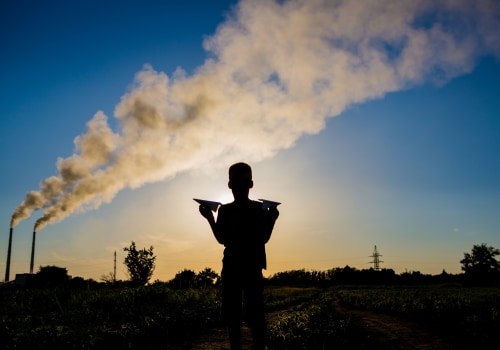
Indoor air quality (IAQ) refers to the condition of the air within buildings and structures, particularly as it relates to the health and comfort of the occupants. It encompasses a variety of factors, including the presence of pollutants, humidity levels, temperature, and ventilation. Understanding indoor air quality is crucial because it can significantly impact our physical health, mental well-being, and overall quality of life. Many people spend up to 90% of their time indoors, making the air we breathe in our homes, workplaces, and schools a vital aspect of our daily existence.The importance of maintaining good indoor air quality cannot be overstated.
Poor IAQ can lead to a range of health issues, from minor irritations like headaches and fatigue to more severe conditions such as asthma and respiratory diseases. Common indoor air pollutants include volatile organic compounds (VOCs), mold spores, dust mites, pet dander, and carbon monoxide. These contaminants can originate from various sources, including household cleaning products, building materials, and even outdoor air that infiltrates our living spaces.Moreover, the effects of poor indoor air quality extend beyond physical health. Studies have shown that inadequate ventilation and high levels of indoor pollutants can contribute to decreased productivity, impaired cognitive function, and increased stress levels.
As we become more aware of these hidden dangers, it is essential to prioritize indoor air quality in our homes and workplaces. By understanding what constitutes good IAQ and recognizing the potential hazards associated with its deterioration, we can take proactive steps to create healthier environments for ourselves and our loved ones.
Common Sources of Indoor Air Pollution
Indoor air pollution is a significant concern that often goes unnoticed in our daily lives. Understanding the common sources of indoor air pollution is essential for safeguarding your health and improving the quality of the air you breathe. Below are some of the primary contributors to poor indoor air quality:- Household Cleaning Products: Many cleaning agents, disinfectants, and air fresheners contain volatile organic compounds (VOCs) that can evaporate into the air, leading to respiratory issues and other health problems.
Opting for natural or eco-friendly cleaning products can help mitigate these risks.
- Building Materials: Materials used in construction, such as paints, varnishes, and adhesives, can release harmful chemicals over time. For instance, formaldehyde, commonly found in pressed wood products, is a known irritant and potential carcinogen.
- Biological Contaminants: Mold, mildew, dust mites, and pet dander are prevalent biological pollutants that can trigger allergies and asthma. Maintaining proper humidity levels and regular cleaning can help control these allergens.
- Tobacco Smoke: Smoking indoors significantly deteriorates indoor air quality. Secondhand smoke contains thousands of harmful chemicals that can linger long after the smoker has left the area.
- Combustion Appliances: Gas stoves, fireplaces, and unvented heaters can produce carbon monoxide and other harmful gases if not properly ventilated.
Ensuring adequate ventilation and regular maintenance of these appliances is crucial for safety.
- Pesticides: The use of pesticides indoors can introduce toxic substances into the air. It’s advisable to use non-chemical pest control methods whenever possible to reduce exposure.
Health Effects of Poor Indoor Air Quality
The impact of poor indoor air quality on health can be both immediate and long-lasting, affecting individuals in various ways. Understanding these health effects is crucial for anyone looking to improve their living environment.One of the most common immediate symptoms associated with poor indoor air quality is headaches.These can arise from exposure to volatile organic compounds (VOCs) found in household products, such as paints, cleaning agents, and air fresheners. Additionally, irritants like dust and mold can trigger headaches, particularly in sensitive individuals.Another prevalent issue is respiratory problems. Poor air quality can exacerbate conditions such as asthma and chronic obstructive pulmonary disease (COPD). Symptoms may include:
- Coughing
- Wheezing
- Shortness of breath
- Chest tightness
Furthermore, exposure to indoor pollutants can lead to increased susceptibility to respiratory infections.Long-term exposure to poor indoor air quality can result in chronic health issues. Studies have linked persistent exposure to indoor pollutants with serious conditions such as:
- Lung cancer
- Cardiovascular diseases
- Neurological disorders
Vulnerable Populations at Risk
Indoor air quality (IAQ) is a critical concern, particularly for vulnerable populations who may experience heightened sensitivity to air pollutants.Among these groups, children, the elderly, and individuals with pre-existing health conditions are at the greatest risk.
Children and Indoor Air Quality
Children are particularly susceptible to the effects of poor indoor air quality due to their developing respiratory systems and higher rates of breathing compared to adults. Exposure to indoor pollutants such as volatile organic compounds (VOCs), mold, and particulate matter can lead to a range of health issues, including:- Asthma: Children exposed to allergens and irritants in the air are more likely to develop asthma or experience exacerbations of existing asthma.
- Respiratory Infections: Poor air quality can increase the risk of respiratory infections, which can be particularly severe in young children.
- Cognitive Development Issues: Emerging research suggests that long-term exposure to indoor air pollutants may impact cognitive development and academic performance.
The Elderly and Air Pollution
The elderly population is another group that faces significant risks from poor indoor air quality. As individuals age, their immune systems weaken, making them more vulnerable to respiratory diseases and other health complications. Common issues faced by older adults include:- Chronic Respiratory Conditions: Many elderly individuals suffer from chronic conditions such as chronic obstructive pulmonary disease (COPD) or emphysema, which can be aggravated by poor air quality.
- Cardiovascular Problems: Studies have shown a link between indoor air pollution and increased cardiovascular events in older adults.
- Cognitive Decline: There is growing evidence that exposure to indoor air pollutants may contribute to cognitive decline and increase the risk of dementia.
Individuals with Pre-existing Health Conditions
People with pre-existing health conditions, such as allergies, asthma, or heart disease, are also at an elevated risk when it comes to indoor air quality.Pollutants can exacerbate their symptoms and lead to serious health complications. For instance:
- Allergies: Common indoor allergens like dust mites, pet dander, and mold can trigger severe allergic reactions in sensitive individuals.
- Asthma Attacks: Pollutants can act as triggers for asthma attacks, leading to increased hospital visits and emergency situations.
- Heart Disease: Individuals with heart disease may experience worsened symptoms due to increased levels of particulate matter in the air.
Identifying Poor Indoor Air Quality in Your Home
Identifying poor indoor air quality (IAQ) in your home is crucial for maintaining a healthy living environment.Many homeowners may not realize that the air inside their homes can be more polluted than outdoor air, leading to various health issues. Here are some practical tips to help you recognize the signs of bad air quality and monitor your indoor environment effectively.
Common Signs of Poor Indoor Air Quality
- Unpleasant Odors: A persistent musty or chemical smell can indicate the presence of mold, mildew, or volatile organic compounds (VOCs) from household products.
- Increased Allergies or Respiratory Issues: If you or your family members experience frequent sneezing, coughing, or worsening asthma symptoms, it may be a sign of poor IAQ.
- Visible Mold Growth: Mold can thrive in damp areas of your home, such as bathrooms and basements. If you see mold, it’s essential to address the moisture issue immediately.
- Dust Accumulation: Excessive dust on surfaces can indicate poor ventilation and may contribute to respiratory problems.
- Health Symptoms: Headaches, fatigue, dizziness, and eye irritation can all be linked to poor indoor air quality.
Methods for Monitoring Indoor Air Quality
To effectively monitor your indoor air quality, consider the following methods:- Use Air Quality Monitors: Invest in a reliable indoor air quality monitor that measures levels of pollutants such as carbon dioxide (CO2), particulate matter (PM), and VOCs. These devices provide real-time data and alerts when levels exceed safe thresholds.
- Regularly Check Humidity Levels: Maintaining indoor humidity between 30% and 50% can help prevent mold growth and dust mites.
Use a hygrometer to monitor humidity levels in your home.
- Conduct Regular Inspections: Periodically inspect areas prone to moisture, such as kitchens and bathrooms, for leaks or water damage that could lead to mold growth.
Improving Indoor Air Quality: Solutions and Strategies
Improving indoor air quality is essential for maintaining a healthy living environment. There are several effective strategies and solutions that can significantly enhance the air you breathe at home.1.Enhance Ventilation
One of the most effective ways to improve indoor air quality is by ensuring proper ventilation. This can be achieved through:- Natural Ventilation: Open windows and doors whenever possible to allow fresh air to circulate.
This is particularly beneficial during mild weather.
- Mechanical Ventilation: Install exhaust fans in areas like kitchens and bathrooms to remove excess moisture and pollutants. Consider a whole-house ventilation system that brings in filtered outdoor air.
- Air Exchange Systems: These systems can help maintain a balance between indoor and outdoor air, ensuring that stale air is replaced with fresh air without losing energy efficiency.
2.Utilize Air Purifiers
Investing in a high-quality air purifier can significantly reduce indoor pollutants. Look for purifiers equipped with HEPA filters, which are effective at capturing small particles such as dust, pollen, and pet dander. Additionally, consider models with activated carbon filters to eliminate odors and volatile organic compounds (VOCs).3.Implement Lifestyle Changes
Your daily habits can also impact indoor air quality.Here are some lifestyle changes to consider:
- Avoid Smoking Indoors: Tobacco smoke contains numerous harmful chemicals that can linger in the air long after smoking has stopped.
- Choose Low-VOC Products: When purchasing paints, cleaning supplies, and furniture, opt for products labeled as low in VOCs to minimize harmful emissions.
- Regular Cleaning: Dust and vacuum your home frequently using a vacuum with a HEPA filter to reduce allergens and pollutants.
The Role of Ventilation in Indoor Air Quality
Proper ventilation is essential for maintaining indoor air quality, as it directly influences the levels of pollutants and moisture within a space. Without adequate ventilation, harmful substances can accumulate, leading to health issues and discomfort for occupants. Understanding the different types of ventilation systems and their effectiveness is crucial for creating a healthy indoor environment.Importance of Ventilation
Ventilation serves several key purposes:
- Pollutant Removal: It helps to dilute and remove indoor air pollutants such as volatile organic compounds (VOCs), allergens, and particulate matter.
- Moisture Control: Proper ventilation reduces humidity levels, preventing mold growth and structural damage caused by excess moisture.
- Fresh Air Supply: It ensures a continuous supply of fresh outdoor air, which is vital for maintaining comfort and well-being.
Types of Ventilation Systems
There are several types of ventilation systems, each with its own advantages and applications:
- Naturally Ventilated Systems: These rely on natural forces such as wind and temperature differences to circulate air.
Open windows, vents, and strategically placed openings can facilitate this process. While cost-effective, natural ventilation may not be sufficient in all climates or during extreme weather conditions.
- Mechanical Ventilation Systems: These systems use fans and ducts to actively circulate air throughout a building. They can be further categorized into:
- Exhaust Ventilation: This system removes stale indoor air while drawing in fresh outdoor air through passive means. It is effective in areas with high humidity or pollutants but may not provide adequate fresh air supply in all situations.
- Supply Ventilation: This system introduces fresh outdoor air into the building while exhausting stale air.
It is beneficial in maintaining positive pressure within the space, which can help prevent the infiltration of outdoor pollutants.
- Balanced Ventilation: This system combines both exhaust and supply methods to ensure equal airflow in and out of the building. It often includes heat recovery ventilators (HRVs) or energy recovery ventilators (ERVs) that transfer heat between incoming and outgoing air streams, improving energy efficiency.
Regulations and Standards for Indoor Air Quality
Maintaining optimal indoor air quality is not just a matter of comfort; it is also a critical aspect governed by various regulations and standards. These guidelines are designed to protect public health and ensure that indoor environments are safe for occupants.Understanding these regulations can help homeowners, builders, and designers create healthier living spaces.One of the most recognized organizations in the field of indoor air quality is the American Society of Heating, Refrigerating and Air-Conditioning Engineers (ASHRAE). ASHRAE has developed a series of standards that provide comprehensive guidelines for ventilation and air quality in residential and commercial buildings. Their most notable standard, ASHRAE Standard 62.1 , outlines the minimum ventilation rates necessary to achieve acceptable indoor air quality in non-residential buildings. For residential settings, ASHRAE recommends a ventilation rate of 0.35 air changes per hour, which helps to dilute indoor pollutants effectively.In addition to ASHRAE guidelines, various federal and state regulations also play a role in ensuring healthy indoor environments.
The Environmental Protection Agency (EPA) has established guidelines for managing indoor air pollutants, including recommendations for reducing exposure to common contaminants such as mold, radon, and volatile organic compounds (VOCs). The EPA's Indoor Air Quality Tools for Schools program provides resources for schools to improve their indoor environments, which can also be adapted for residential use.Moreover, local building codes often incorporate specific requirements related to indoor air quality. These codes may dictate the types of materials that can be used in construction, as well as the installation of ventilation systems that meet certain performance criteria. Homeowners should consult their local building authority to understand the specific regulations that apply to their area.To further enhance indoor air quality, homeowners can adopt best practices such as:
- Regular Maintenance: Ensure HVAC systems are regularly serviced and filters are changed frequently.
- Use Low-VOC Products: Choose paints, finishes, and cleaning products that emit fewer volatile organic compounds.
- Improve Ventilation: Utilize exhaust fans in kitchens and bathrooms to reduce moisture and odors.
- Monitor Humidity Levels: Keep indoor humidity between 30% and 50% to prevent mold growth.
Conclusion: Prioritizing Indoor Air Quality for Healthier Living Spaces
In conclusion, the significance of maintaining good indoor air quality cannot be overstated.Throughout this article, we have explored the various ways in which poor air quality can adversely affect our health and well-being. From triggering respiratory issues to exacerbating allergies and causing fatigue, the hidden dangers of indoor air pollution are pervasive and often overlooked.It is essential to recognize that the air we breathe indoors can be more polluted than outdoor air, primarily due to the accumulation of various contaminants such as volatile organic compounds (VOCs), mold spores, and particulate matter. These pollutants can stem from everyday household items, including cleaning products, furniture, and even building materials. Therefore, understanding the sources of indoor air pollution is the first step toward creating a healthier living environment.To prioritize indoor air quality, consider implementing the following strategies:
- Regular Ventilation: Ensure that your home is well-ventilated by opening windows and using exhaust fans to allow fresh air to circulate.
- Air Purification: Invest in high-quality air purifiers equipped with HEPA filters to effectively remove airborne pollutants.
- Humidity Control: Maintain indoor humidity levels between 30% and 50% to prevent mold growth and dust mite proliferation.
- Use Natural Products: Opt for natural cleaning products and materials that emit fewer harmful chemicals into the air.
- Regular Maintenance: Schedule routine maintenance for HVAC systems to ensure they are functioning efficiently and not contributing to indoor pollution.
Remember that small changes can make a big difference in reducing exposure to harmful pollutants. Prioritizing indoor air quality is not just about comfort; it is a crucial aspect of safeguarding your health and enhancing your overall quality of life.Ultimately, awareness and action are key. As we continue to spend more time indoors, especially in our homes, it is imperative that we remain vigilant about the air we breathe. By making informed choices and advocating for better indoor environments, we can foster healthier spaces that promote well-being for all.