Aіr pollution is a pressing global issue that affects not only the environment but also the health and well-being of individuals. As urbanization and industrial activities continue to rise, the quality of the air we breathe has deteriorated significantly. While many people are aware of outdoor air pollution, indoor air quality is often overlooked, despite being equally critical. In fact, studies have shown that indoor air can be more polluted than outdoor air, primarily due to various household activities and materials.The sources of air pollution are diverse and can be categorized into two main types: outdoor and indoor.
Outdoor air pollution typically stems from industrial emissions, vehicle exhaust, and agricultural practices. However, indoor air pollution arises from everyday activities such as cooking, cleaning, and even the use of certain building materials. Common culprits include volatile organic compounds (VOCs) released from paints and cleaning products, as well as particulate matter from cooking and heating appliances.The health effects of poor indoor air quality can be severe and long-lasting. Exposure to pollutants can lead to respiratory issues, cardiovascular diseases, and even neurological problems.
Vulnerable populations such as children, the elderly, and those with pre-existing health conditions are particularly at risk. Understanding the causes of both indoor and outdoor air pollution is essential for developing effective strategies to mitigate their impact on our health.As we delve deeper into this topic, it becomes crucial to explore not only the primary causes of air pollution but also practical solutions that individuals and communities can implement to improve indoor air quality. By taking proactive measures, we can create healthier living environments and contribute to a cleaner atmosphere for future generations.
The Major Causes of Air Pollution
Air pollution is a multifaceted issue that arises from various sources, both indoors and outdoors. Understanding these sources is essential for developing effective strategies to combat air quality deterioration.Outdoor Air Pollution Sources
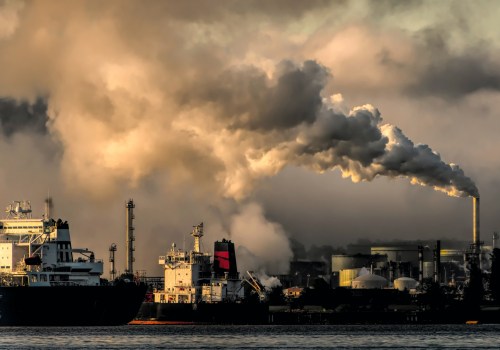
Outdoor air pollution primarily stems from industrial activities, transportation, and agricultural practices.Here are some of the major contributors:
- Industrial Emissions: Factories and power plants are significant sources of pollutants such as sulfur dioxide (SO2), nitrogen oxides (NOx), and particulate matter (PM). These emissions result from the burning of fossil fuels and other industrial processes.
- Vehicle Exhaust: Motor vehicles are responsible for a substantial portion of outdoor air pollution. Cars, trucks, and buses emit carbon monoxide (CO), volatile organic compounds (VOCs), and nitrogen oxides, which contribute to smog formation and respiratory issues.
- Agricultural Activities: The use of fertilizers and pesticides releases ammonia and other harmful chemicals into the atmosphere. Additionally, livestock farming contributes significantly to methane emissions, a potent greenhouse gas.
Indoor Air Pollution Sources
While outdoor air pollution is widely recognized, indoor air quality is equally critical yet often overlooked.Common sources of indoor air pollution include:
- Tobacco Smoke: Smoking indoors releases numerous toxic substances that can linger in the air long after the cigarette is extinguished, significantly affecting indoor air quality.
- Mold and Mildew: Damp environments can foster mold growth, which releases spores and mycotoxins into the air. These can lead to allergic reactions and respiratory problems.
- Household Products: Many cleaning agents, paints, and personal care products contain VOCs that evaporate into the air, contributing to indoor pollution.
- Combustion Appliances: Gas stoves, fireplaces, and space heaters can produce carbon monoxide and other harmful pollutants if not properly ventilated.
1.Emissions from Transportation
Transportation is a major contributor to air pollution, with vehicles emitting a variety of harmful pollutants that significantly impact both outdoor and indoor air quality. The primary sources of these emissions include cars, trucks, buses, and motorcycles, all of which rely on fossil fuels for power.As these vehicles operate, they release a range of toxic substances into the atmosphere.
Types of Pollutants Emitted
- Carbon Monoxide (CO): This colorless, odorless gas is produced during the incomplete combustion of fossil fuels. High levels of carbon monoxide can lead to serious health issues, including impaired oxygen delivery to the body's organs.
- Nitrogen Oxides (NOx): These gases are formed when fuel is burned at high temperatures. NOx contributes to the formation of ground-level ozone and smog, which can exacerbate respiratory problems and other health conditions.
- Particulate Matter (PM): Vehicles emit fine particles that can penetrate deep into the lungs and even enter the bloodstream. PM2.5 and PM10 are particularly concerning due to their ability to cause cardiovascular and respiratory diseases.
- Volatile Organic Compounds (VOCs): These organic chemicals can evaporate into the air and contribute to ozone formation.
VOCs are often found in vehicle exhaust and can lead to various health issues, including headaches and eye irritation.
Reducing Transportation Pollution
To mitigate the effects of transportation emissions on air quality, several strategies can be implemented:
- Promote Public Transportation: Encouraging the use of buses and trains can significantly reduce the number of individual vehicles on the road.
- Carpooling: Sharing rides with others not only decreases traffic congestion but also lowers overall emissions.
- Adopt Electric Vehicles: Transitioning to electric or hybrid vehicles can drastically cut down on harmful emissions associated with traditional gasoline-powered cars.
- Encourage Active Transportation: Walking or biking for short distances reduces reliance on motor vehicles and promotes healthier lifestyles.
2.Industrial Activities and Their Impact
Industrial activities are a significant source of air pollution, contributing to the degradation of indoor air quality and outdoor environments alike. Factories and manufacturing plants release a variety of harmful pollutants into the atmosphere, including particulate matter, volatile organic compounds (VOCs), and greenhouse gases.These emissions not only affect the air we breathe but also have far-reaching impacts on public health and the environment.One of the primary contributors to industrial air pollution is the combustion of fossil fuels in power generation and manufacturing processes. Industries such as coal mining, oil refining, and chemical production are notorious for their high emissions of nitrogen oxides (NOx), sulfur dioxide (SO2), and carbon monoxide (CO). These pollutants can lead to respiratory issues, cardiovascular diseases, and even premature death among exposed populations.
Key Industries Contributing to Air Pollution
- Energy Production: Power plants that rely on coal or natural gas are among the largest sources of industrial emissions. The burning of these fuels releases significant amounts of CO2, NOx, and SO2 into the atmosphere.
- Chemical Manufacturing: The production of chemicals often involves processes that emit VOCs and other hazardous air pollutants.
These substances can contribute to smog formation and have detrimental health effects.
- Metal Production: Industries involved in metal smelting and refining release heavy metals such as lead, mercury, and cadmium, which can contaminate air and soil.
- Pulp and Paper Mills: These facilities generate large quantities of particulate matter and VOCs during the processing of wood into paper products.
3.Household Activities and Indoor Air Quality
Indoor air quality is a critical aspect of our overall health, yet it is often overlooked in discussions about air pollution.Many common household activities contribute significantly to indoor air pollution, which can lead to various health issues, including respiratory problems, allergies, and even long-term diseases.One of the primary sources of indoor air pollution is cooking. The use of gas stoves can release nitrogen dioxide (NO2) and carbon monoxide (CO), both of which are harmful when inhaled. Additionally, cooking methods that involve frying or grilling can produce particulate matter and volatile organic compounds (VOCs) that linger in the air. To mitigate these effects, it is advisable to use exhaust fans or open windows while cooking to ensure proper ventilation.
Cleaning products
are another significant contributor to poor indoor air quality.
Many household cleaners contain harsh chemicals that emit VOCs, which can irritate the eyes, nose, and throat. Frequent use of these products can lead to a buildup of toxins in the home environment. Opting for natural cleaning solutions, such as vinegar and baking soda, can help reduce exposure to harmful chemicals while still maintaining cleanliness.Moreover, smoking indoors is a well-known source of indoor air pollution. Tobacco smoke contains thousands of harmful chemicals that can linger in the air long after smoking has ceased.
This not only affects the smoker but also poses serious health risks to non-smokers through secondhand smoke exposure. Establishing a strict no-smoking policy inside the home is essential for improving indoor air quality.
Mold
growth is another critical issue that can arise from household activities, particularly in areas with high humidity levels. Mold spores can trigger allergic reactions and respiratory issues. Regularly checking for leaks and ensuring proper ventilation in bathrooms and kitchens can help prevent mold growth.To improve indoor air quality effectively, consider implementing the following strategies:
- Increase ventilation: Open windows and doors when weather permits to allow fresh air to circulate.
- Use air purifiers: Invest in high-quality air purifiers equipped with HEPA filters to capture airborne pollutants.
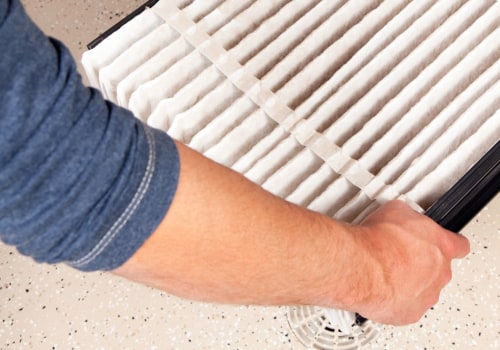
- Regularly change HVAC filters: Ensure that heating and cooling systems are maintained and filters are replaced regularly.
- Avoid synthetic fragrances: Choose unscented or naturally scented products to minimize VOC exposure.
- Control humidity levels: Use dehumidifiers in damp areas to prevent mold growth.
4.Agricultural Practices and Their Role in Air Pollution
Agricultural practices are a significant contributor to air pollution, impacting both indoor and outdoor air quality.The use of fertilizers, pesticides, and other chemicals in farming not only affects the soil and water but also releases harmful emissions into the atmosphere. Understanding these contributions is crucial for developing effective strategies to mitigate their impact.One of the primary sources of air pollution from agriculture is the application of nitrogen-based fertilizers. When these fertilizers are used excessively, they can lead to the release of nitrous oxide (N2O), a potent greenhouse gas that is significantly more effective at trapping heat in the atmosphere than carbon dioxide. According to the Food and Agriculture Organization (FAO), agricultural activities account for approximately 40% of global nitrous oxide emissions.In addition to fertilizers, the use of pesticides contributes to air pollution through the release of volatile organic compounds (VOCs).
These compounds can evaporate into the air during application and can lead to the formation of ground-level ozone, which poses serious health risks. Furthermore, livestock farming generates methane (CH4), another greenhouse gas that contributes to climate change and poor air quality.
Strategies for Reducing Agricultural Impact on Air Quality
To address these challenges, several strategies can be implemented:- Adopting Sustainable Farming Practices: Techniques such as crop rotation, cover cropping, and reduced tillage can enhance soil health and reduce reliance on chemical inputs.
- Precision Agriculture: Utilizing technology to apply fertilizers and pesticides more efficiently can minimize excess use and reduce emissions.
- Organic Farming: Transitioning to organic farming methods can significantly decrease the use of synthetic fertilizers and pesticides, thereby improving air quality.
- Improved Livestock Management: Implementing better waste management practices and dietary adjustments for livestock can help reduce methane emissions.
- Education and Awareness: Educating farmers about the environmental impacts of their practices can encourage more sustainable choices.
5.Natural Sources of Air Pollution
While human activities are often highlighted as the primary contributors to air pollution, natural sources also play a significant role in degrading air quality. Understanding these natural phenomena is crucial for effective air quality management and public health protection.Wildfires and Their Impact on Air Quality
One of the most prominent natural sources of air pollution is wildfires.These uncontrolled fires can occur in forests, grasslands, and other ecosystems, releasing large amounts of smoke and particulate matter into the atmosphere. The smoke produced during wildfires contains a complex mixture of gases and fine particles, including carbon monoxide, volatile organic compounds (VOCs), and PM2.5, which can travel long distances from the fire's origin.The impact of wildfires on air quality can be profound. During wildfire events, air quality can deteriorate rapidly, leading to health advisories for vulnerable populations, including children, the elderly, and individuals with pre-existing respiratory conditions. Studies have shown that exposure to wildfire smoke can exacerbate asthma symptoms, increase hospital admissions for respiratory issues, and even lead to long-term health effects.
Dust Storms: A Hidden Threat
Another natural source of air pollution is dust storms , which are particularly common in arid and semi-arid regions.These storms occur when strong winds lift large quantities of dust and sand from the ground into the atmosphere. The airborne particles can travel vast distances, affecting air quality far from their source.Dust storms can significantly reduce visibility and contribute to respiratory problems. The fine particles in dust can penetrate deep into the lungs, causing irritation and exacerbating conditions such as chronic obstructive pulmonary disease (COPD) and asthma. Additionally, dust storms can carry pathogens and allergens, further complicating public health issues.
Other Natural Contributors
In addition to wildfires and dust storms, other natural events such as volcanic eruptions can also contribute to air pollution.Volcanic ash contains a variety of harmful substances that can affect air quality locally and globally. The gases released during eruptions, including sulfur dioxide (SO2), can lead to acid rain and further environmental degradation.Understanding these natural sources of air pollution is essential for developing comprehensive strategies to mitigate their effects. While we cannot control natural events like wildfires or dust storms, we can improve our preparedness and response strategies to protect public health during such occurrences.
Health Effects of Poor Air Quality
The impact of poor air quality on health is profound and multifaceted, affecting not only the respiratory system but also contributing to a range of chronic diseases. Understanding these health effects is crucial for motivating action against air pollution.Respiratory Diseases
One of the most immediate consequences of poor air quality is the exacerbation of respiratory diseases.
Pollutants such as particulate matter (PM2.5 and PM10), nitrogen dioxide (NO2), and sulfur dioxide (SO2) can irritate the airways, leading to conditions like asthma, chronic bronchitis, and emphysema. Studies have shown that individuals living in areas with high levels of air pollution are at a significantly increased risk of developing these conditions.Children and the elderly are particularly vulnerable. For children, exposure to polluted air can hinder lung development and increase the likelihood of developing asthma. In older adults, pre-existing respiratory conditions can worsen, leading to more frequent hospital visits and a decline in overall health.
Long-Term Health Impacts
The long-term health implications of sustained exposure to poor air quality are alarming.
Research indicates that prolonged exposure to air pollutants is linked to cardiovascular diseases, including heart attacks and strokes. The World Health Organization (WHO) estimates that around 4.2 million premature deaths occur globally each year due to outdoor air pollution, with a significant portion attributed to cardiovascular issues.Moreover, emerging studies suggest a connection between air pollution and neurological disorders. There is growing evidence that long-term exposure to polluted air may increase the risk of cognitive decline and diseases such as Alzheimer’s. This highlights the urgent need for public health initiatives aimed at improving air quality.
Mental Health Effects
Interestingly, poor air quality has also been linked to mental health issues.
Research indicates that individuals exposed to high levels of air pollution may experience increased rates of anxiety, depression, and other mental health disorders. The mechanisms behind this connection are still being studied, but it underscores the comprehensive impact of air pollution on overall well-being.In conclusion, the health effects of poor air quality extend far beyond immediate respiratory issues. From chronic diseases to mental health challenges, the implications are severe and warrant immediate action to improve indoor and outdoor air quality for all communities.
Strategies to Reduce Air Pollution at Home and Beyond
Reducing air pollution, both indoors and outdoors, is essential for improving overall health and well-being. Here are several effective strategies that individuals can implement in their daily lives to combat air pollution:Enhancing Indoor Air Quality
- Regular Cleaning: Dust and vacuum your home frequently to minimize allergens and pollutants.
Use a vacuum cleaner equipped with a HEPA filter to trap fine particles.
- Ventilation: Ensure proper ventilation in your home by opening windows when weather permits. This helps to circulate fresh air and reduce indoor pollutants.
- Houseplants: Incorporate indoor plants known for their air-purifying qualities, such as spider plants, peace lilies, and snake plants. These can help absorb toxins and improve indoor air quality.
- Avoid Smoking Indoors: Smoking tobacco indoors significantly deteriorates indoor air quality. Establish a no-smoking policy within your home to protect the health of all occupants.
- Mold Prevention: Address any water leaks promptly and maintain low humidity levels (ideally between 30-50%) to prevent mold growth, which can release harmful spores into the air.
Eco-Friendly Practices
- Use Non-Toxic Products: Opt for eco-friendly cleaning supplies, paints, and personal care products that are free from volatile organic compounds (VOCs) to reduce harmful emissions indoors.
- Energy Efficiency: Invest in energy-efficient appliances and light bulbs.
Not only do they consume less energy, but they also contribute to lower emissions from power plants.
- Reduce Waste: Practice recycling and composting to minimize waste sent to landfills, which can release methane—a potent greenhouse gas—into the atmosphere.
Outdoor Air Quality Improvement
- Public Transportation: Whenever possible, use public transportation or carpool to reduce the number of vehicles on the road, thereby decreasing emissions from automobiles.
- Biking and Walking: For short distances, consider biking or walking instead of driving. This not only reduces air pollution but also promotes physical health.
- Support Local Initiatives: Get involved in community efforts aimed at reducing air pollution, such as tree planting campaigns or local clean-up days.
<strong>Conclusion: The Path Forward for Cleaner Air</strong>
As we conclude our exploration of the top causes of air pollution and the critical need for air quality improvement , it becomes increasingly clear that the path forward requires collective action and commitment. The detrimental effects of air pollution on public health, the environment, and overall quality of life cannot be overstated.From respiratory diseases to environmental degradation, the consequences of inaction are dire.Throughout this article, we have identified key contributors to air pollution, including indoor sources such as household activities and outdoor sources like industrial emissions and vehicular exhaust. Each of these factors plays a significant role in diminishing our air quality, making it imperative that we address them head-on.
The Importance of Reducing Pollution
Reducing pollution is not merely an environmental concern; it is a public health imperative. Studies have shown that improved air quality can lead to significant reductions in health issues such as asthma, lung cancer, and cardiovascular diseases. Furthermore, cleaner air contributes to a healthier ecosystem, supporting biodiversity and enhancing the quality of life for all living beings.A Call to Action for a Cleaner Environment
We all have a role to play in this fight against air pollution.Here are some actionable steps we can take:
- Advocate for Policy Change: Support legislation aimed at reducing emissions and promoting renewable energy sources.
- Educate Others: Share knowledge about the importance of clean air and ways to reduce pollution within your community.
- Make Sustainable Choices: Opt for eco-friendly products, reduce energy consumption, and utilize public transportation whenever possible.
- Engage in Local Initiatives: Participate in tree-planting events or community clean-up days to directly contribute to improving local air quality.