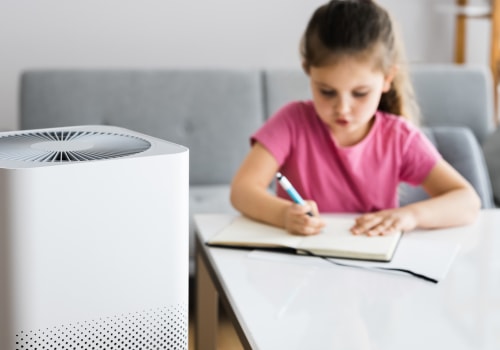
Indoor air quality (IAQ) refers to the condition of the air within and around buildings, particularly as it relates to the health and comfort of occupants. It encompasses a variety of factors, including the presence of pollutants, humidity levels, temperature, and ventilation. Understanding indoor air quality is crucial because we spend a significant portion of our lives indoors—estimates suggest that this can be as much as 90% for some individuals. As such, the air we breathe inside our homes can have profound effects on our overall health and well-being.The importance of maintaining good indoor air quality cannot be overstated.
Poor IAQ can lead to a range of health issues, from minor irritations like headaches and fatigue to more serious conditions such as respiratory diseases and cardiovascular problems. Common indoor pollutants include volatile organic compounds (VOCs), mold spores, dust mites, pet dander, and even carbon monoxide. These contaminants can accumulate over time, especially in poorly ventilated spaces, making it essential to be proactive in monitoring and improving the air quality in our homes.Moreover, the significance of indoor air quality extends beyond just physical health; it also impacts mental well-being. Studies have shown that poor air quality can contribute to increased stress levels and decreased cognitive function.
Therefore, ensuring that our living environments are equipped with clean, fresh air is not only a matter of physical health but also a vital component of creating a nurturing and productive atmosphere.As we delve deeper into this article, we will explore various strategies for enhancing indoor air quality in your home. From simple lifestyle changes to more advanced technological solutions, there are numerous ways to create a healthier living space that promotes both physical and mental wellness.
Common Indoor Air Pollutants
Indoor air quality can be significantly compromised by a variety of common pollutants that often go unnoticed. Understanding these pollutants, their sources, and their effects is essential for creating a healthier living environment.Volatile Organic Compounds (VOCs)
Volatile Organic Compounds
, or VOCs, are a group of organic chemicals that can easily evaporate at room temperature. They are commonly found in household products such as paints, varnishes, cleaning agents, and air fresheners.
When these products are used or stored indoors, they can release harmful gases that contribute to indoor air pollution.
- Sources: Paints, solvents, adhesives, and certain types of furniture.
- Effects: Exposure to VOCs can lead to headaches, dizziness, respiratory issues, and long-term health problems such as liver and kidney damage.
Mold
Mold is another significant indoor air pollutant that thrives in damp environments. It can grow on various surfaces, including walls, ceilings, and even within HVAC systems. Mold spores can become airborne and be inhaled, leading to various health issues.- Sources: Leaky roofs, plumbing issues, and high humidity levels.
- Effects: Mold exposure can cause allergic reactions, asthma attacks, and other respiratory problems.
Dust Mites
Dust mites are microscopic creatures that feed on dead skin cells shed by humans and pets. They thrive in warm and humid environments, making bedding, carpets, and upholstered furniture ideal habitats.- Sources: Bedding, carpets, curtains, and upholstered furniture.
- Effects: Dust mite allergens can trigger asthma symptoms and allergic reactions in sensitive individuals.
Pet Dander
If you have pets at home, their dander—tiny flakes of skin—can contribute significantly to indoor air pollution.Pet dander can remain airborne for long periods and settle on various surfaces.
- Sources: Cats, dogs, birds, and other furry or feathered pets.
- Effects: Exposure to pet dander can lead to allergic reactions and exacerbate asthma symptoms.
The Importance of Ventilation
Ventilation plays a crucial role in maintaining indoor air quality by facilitating the exchange of stale indoor air with fresh outdoor air. This process not only helps to dilute indoor pollutants but also regulates humidity levels, which can significantly impact overall health and comfort.There are two primary types of ventilation systems: natural ventilation and mechanical ventilation. Each has its own advantages and applications, depending on the specific needs of a home.Natural Ventilation
Natural ventilation relies on natural forces such as wind and temperature differences to circulate air within a space.This method can be achieved through:
- Open Windows: Simply opening windows allows fresh air to enter while letting stale air escape. This is most effective in areas with low outdoor pollution.
- Ventilation Shafts: These are designed to facilitate airflow through vertical channels, often found in older buildings.
- Stack Effect: This principle utilizes the natural rise of warm air, creating a vacuum that draws in cooler air from outside.
Mechanical Ventilation
Mechanical ventilation systems use fans and ductwork to actively circulate air throughout a building. These systems can be categorized into:- Exhaust Ventilation: This system removes indoor air, creating a negative pressure that draws in fresh air from outside. It is effective for areas with high moisture or pollutants, such as kitchens and bathrooms.
- Supply Ventilation: In contrast, supply systems push fresh air into the home while exhausting stale air.
This method is beneficial for maintaining consistent airflow.
- Balanced Ventilation: Combining both exhaust and supply methods, balanced systems ensure that the amount of incoming and outgoing air is equal, providing optimal indoor air quality.
Effective Strategies for Improving Indoor Air Quality
Improving indoor air quality is essential for creating a healthy living environment. Here are some effective strategies that homeowners can implement to enhance the air quality in their homes.Utilize Air Purifiers
One of the most effective tools for improving indoor air quality is an air purifier.These devices can significantly reduce airborne pollutants, including dust, pollen, pet dander, and smoke. When selecting an air purifier, consider the following:
- HEPA Filters: Choose a model equipped with a HEPA filter, which can capture 99.97% of particles as small as 0.3 microns.
- Room Size: Ensure the purifier is suitable for the size of the room where it will be used.
- Noise Level: Look for models that operate quietly, especially if you plan to use them in bedrooms or living areas.
Maintain Optimal Humidity Levels
Humidity plays a crucial role in indoor air quality. High humidity can promote mold growth and dust mites, while low humidity can lead to dry skin and respiratory issues. Aim to keep indoor humidity levels between 30% and 50%.Here are some tips:
- Use Dehumidifiers: In areas prone to excess moisture, such as basements or bathrooms, consider using a dehumidifier to maintain balanced humidity levels.
- Ventilation: Ensure proper ventilation in your home by using exhaust fans in kitchens and bathrooms to remove excess moisture.
- Houseplants: Certain houseplants can help regulate humidity levels naturally while also improving air quality.
Implement Regular Cleaning Practices
A consistent cleaning routine is vital for maintaining good indoor air quality. Here are some effective cleaning practices:- Dust and Vacuum Regularly: Use a vacuum cleaner with a HEPA filter to trap allergens and dust particles effectively.
- Wash Bedding and Curtains: Regularly wash bedding, curtains, and other fabrics to eliminate dust mites and allergens.
- Avoid Harsh Chemicals: Opt for eco-friendly cleaning products that do not emit harmful volatile organic compounds (VOCs).
Choosing Eco-Friendly Products
In our quest to enhance indoor air quality , one of the most impactful steps we can take is to choose eco-friendly products for our homes. The materials and substances we bring into our living spaces can significantly influence the air we breathe. By opting for non-toxic and sustainable alternatives, we not only protect our health but also contribute to a healthier environment.Understanding the Impact of Household Products
Many conventional household products, including cleaners, paints, and personal care items, contain harmful chemicals that can release volatile organic compounds (VOCs) into the air.
These compounds can lead to a range of health issues, from headaches and dizziness to long-term respiratory problems. By selecting eco-friendly products, we can minimize these risks and improve the overall air quality in our homes.
Benefits of Non-Toxic Cleaning Supplies
When it comes to cleaning supplies, traditional options often contain harsh chemicals that not only pollute indoor air but also pose risks to our skin and eyes. In contrast, non-toxic cleaning supplies are formulated with natural ingredients that effectively clean without compromising safety. Here are some benefits of using non-toxic cleaning products:
- Safer for Families: Non-toxic cleaners are safer for children and pets who may come into contact with surfaces.
- Reduced Allergens: These products often contain fewer allergens and irritants, making them ideal for individuals with sensitivities.
- Environmental Protection: Eco-friendly cleaners are typically biodegradable and do not contribute to water pollution.
Sustainable Home Products
Beyond cleaning supplies, many other household items can impact indoor air quality.
When shopping for furniture, paints, or building materials, look for products labeled as low-VOC or made from sustainable materials. For instance:
- Bamboo Furniture: Bamboo is a rapidly renewable resource that is both durable and stylish.
- Natural Paints: Opt for paints that use natural pigments and are free from harmful solvents.
- Organic Textiles: Choose bedding and upholstery made from organic cotton or linen to avoid chemical treatments.
Making Informed Choices
To make informed decisions about eco-friendly products, consider researching brands that prioritize sustainability. Look for certifications such as Green Seal or EcoLogo, which indicate adherence to strict environmental standards. Additionally, reading product labels can help you identify harmful ingredients to avoid.By consciously selecting eco-friendly and non-toxic products for your home, you can significantly reduce indoor air pollution while creating a safer and healthier living environment for you and your family.
Regular Maintenance and Testing
Maintaining optimal indoor air quality is not a one-time task; it requires ongoing attention and regular testing.Just as you would schedule routine check-ups for your health, your home’s air quality deserves the same diligence. Regular maintenance and testing can help identify potential issues before they escalate into serious health concerns.
Why Regular Testing is Essential
Indoor air can be more polluted than outdoor air, often due to the accumulation of dust, allergens, and volatile organic compounds (VOCs) from household products. Regular testing allows you to:
- Identify harmful pollutants that may be present in your home.
- Monitor changes in air quality over time.
- Take proactive measures to improve air quality before it affects your health. Take proactive measures to improve air quality before it affects your health.
How to Test Indoor Air Quality
Testing your indoor air quality can be done through various methods:
- DIY Air Quality Test Kits: These kits are available at most home improvement stores and allow you to test for common pollutants like mold, radon, and VOCs. Follow the instructions carefully for accurate results.
- Professional Air Quality Assessment: Hiring a certified professional can provide a comprehensive analysis of your indoor air.
They use advanced equipment to measure pollutants and can offer tailored solutions based on their findings.
- Use of Air Quality Monitors: Investing in an air quality monitor can provide real-time data on various pollutants, including particulate matter and humidity levels. Many modern devices connect to smartphones for easy monitoring.
What to Do If Poor Air Quality is Detected
If testing reveals poor air quality, it’s crucial to take immediate action:
- Increase Ventilation: Open windows and doors to allow fresh air to circulate. Use exhaust fans in kitchens and bathrooms to help remove stale air.
- Invest in Air Purifiers: Consider using HEPA filters or activated carbon purifiers that can effectively reduce airborne pollutants.
- Regular Maintenance of HVAC Systems: Ensure that heating, ventilation, and air conditioning systems are regularly serviced. Change filters as recommended to maintain efficiency and reduce dust accumulation.
- Avoid Indoor Pollutants: Limit the use of products that emit VOCs, such as certain paints, cleaners, and air fresheners.
Opt for eco-friendly alternatives whenever possible.
The Role of Plants in Air Quality Improvement
Incorporating plants into your home not only enhances the aesthetic appeal but also plays a significant role in improving indoor air quality. Certain houseplants are known for their ability to filter out harmful toxins and pollutants, making them an excellent addition to any living space.Benefits of Houseplants
- Air Purification: Many houseplants can absorb carbon dioxide and release oxygen, contributing to a healthier indoor atmosphere. They also filter out common indoor pollutants such as formaldehyde, benzene, and trichloroethylene.
- Humidity Regulation: Plants naturally release moisture into the air through a process called transpiration.
This can help maintain optimal humidity levels, which is beneficial for respiratory health.
- Stress Reduction: Studies have shown that having plants indoors can reduce stress and improve overall well-being. The presence of greenery can create a calming environment, promoting relaxation.
Plants That Improve Indoor Air Quality
Here are some of the most effective houseplants for purifying air:
- Spider Plant (Chlorophytum comosum): Known for its resilience, the spider plant is excellent at removing formaldehyde and xylene from the air.
- Pothos (Epipremnum aureum): This trailing vine is not only easy to care for but also effective at filtering out indoor pollutants like benzene and formaldehyde.
- Peace Lily (Spathiphyllum): With its beautiful white blooms, the peace lily is adept at removing ammonia, benzene, and formaldehyde from the air.
- Bamboo Palm (Chamaedorea seifrizii): This palm is great for humidifying the air and filtering out formaldehyde and benzene.
- Aloe Vera (Aloe barbadensis miller): Besides its medicinal properties, aloe vera helps remove formaldehyde and benzene while also providing oxygen at night.
Caring for Your Indoor Plants
To maximize the air-purifying benefits of your houseplants, proper care is essential:
- Light Requirements: Ensure that each plant receives adequate light according to its specific needs. Some plants thrive in bright light, while others prefer low-light conditions.
- Watering: Overwatering can lead to root rot, while underwatering can stress the plant. Check the soil moisture regularly and water accordingly.
- Pest Management: Keep an eye out for pests such as spider mites or aphids.
Regularly inspect your plants and treat any infestations promptly with natural remedies or insecticidal soap.
FAQs About Indoor Air Quality
Understanding indoor air quality is essential for maintaining a healthy living environment. Here are some frequently asked questions that can help clarify common misconceptions and provide valuable insights into this important topic.What is indoor air quality?
Indoor air quality refers to the condition of the air within buildings and structures, particularly as it relates to the health and comfort of the occupants. It is influenced by various factors, including the presence of pollutants, humidity levels, and ventilation.What are common indoor air pollutants?
Common indoor air pollutants include:- Volatile Organic Compounds (VOCs): These are emitted from products like paints, cleaning supplies, and building materials.
- Particulate Matter: Dust, pet dander, and mold spores can contribute to poor air quality.
- Carbon Monoxide: This colorless gas can come from gas appliances and heating systems.
- Formaldehyde: Often found in furniture and pressed wood products, it can irritate the eyes and throat.
How can I improve indoor air quality?
Improving indoor air quality can be achieved through several methods:- Increase Ventilation: Open windows or use exhaust fans to allow fresh air to circulate.
- Use Air Purifiers: Invest in high-quality air purifiers that can filter out pollutants.
- Avoid Smoking Indoors: Tobacco smoke is a significant source of indoor pollution.
- Select Low-VOC Products: Choose paints, cleaners, and furnishings that emit fewer harmful chemicals.
Are houseplants effective at improving indoor air quality?
While houseplants can enhance the aesthetic appeal of your home and may help reduce certain pollutants, their effectiveness in significantly improving indoor air quality is often overstated. They can absorb some toxins but should not be relied upon as the sole method for purifying the air.What are some myths about indoor air pollution?
- Myth 1: Indoor air is always cleaner than outdoor air.
This is false; indoor spaces can have higher concentrations of certain pollutants.
- Myth 2: Air fresheners improve air quality. In reality, many contain chemicals that can worsen indoor pollution.
- Myth 3: Only new homes have poor indoor air quality. Poor ventilation and outdated materials in older homes can also contribute to bad air quality.
Conclusion: Taking Action for Better Indoor Air Quality
As we conclude our exploration of indoor air quality, it is essential to reflect on the significant steps we can take to enhance the air we breathe within our homes. The importance of maintaining a healthy indoor environment cannot be overstated, as it directly impacts our well-being and overall quality of life.Throughout this article, we have discussed various strategies that can lead to substantial improvements in indoor air quality.Here are the key takeaways:
- Reduce Energy Consumption: By utilizing renewable energy sources and improving energy efficiency, we can minimize harmful emissions that contribute to air pollution.
- Choose Sustainable Products: Opting for eco-friendly and non-toxic household products helps reduce the presence of harmful chemicals in our living spaces.
- Eliminate Exposure to Chemicals: Regularly cleaning and maintaining your home, along with limiting the use of products that emit volatile organic compounds (VOCs), can significantly enhance air quality.
- Perform Regular Air Quality Tests: Monitoring indoor air quality through testing allows you to identify potential issues and take corrective actions promptly.
- Encourage Natural Ventilation: Opening windows and using fans can help circulate fresh air, diluting indoor pollutants and improving overall air quality.