Indoor air quality (IAQ) is a critical yet often overlooked aspect of our daily lives, significantly impacting our health and well-being. While many people are aware of outdoor air pollution and its harmful effects, the quality of the air we breathe inside our homes, schools, and workplaces can be just as detrimental. In fact, studies have shown that indoor air can be up to five times more polluted than outdoor air, primarily due to various sources of contamination that are prevalent in enclosed spaces.The significance of indoor air quality cannot be overstated, especially considering that individuals spend approximately 90% of their time indoors. Poor IAQ can lead to a range of health issues, from minor irritations such as headaches and fatigue to more severe conditions like respiratory diseases and cardiovascular problems.
Understanding the causes of indoor air pollution is essential for mitigating its effects and ensuring a healthier living environment.Several factors contribute to indoor air pollution, including emissions from household products, inadequate ventilation, and the presence of allergens such as dust mites and mold. These pollutants can exacerbate existing health conditions and create new ones, particularly for vulnerable populations such as children, the elderly, and those with pre-existing health issues. As we delve deeper into the top causes of air pollution, it becomes increasingly clear that addressing indoor air quality is not just a matter of comfort but a vital component of public health.By recognizing the importance of indoor air quality and its connection to broader environmental issues, we can take proactive steps to improve our surroundings. This understanding sets the stage for exploring the primary causes of air pollution and their implications for our health.
Armed with this knowledge, individuals can make informed decisions about their living spaces and advocate for cleaner air in their communities.
The Impact of Indoor Air Quality on Health
Indoor air quality (IAQ) is a critical aspect of our living environments that significantly impacts our health. Poor IAQ can lead to a variety of health issues, particularly respiratory diseases, which are increasingly prevalent in today's society. Understanding the specific pollutants that contribute to poor indoor air quality and their associated health risks is essential for maintaining a healthy living space.Common indoor air pollutants include:- Volatile Organic Compounds (VOCs) : These are emitted from various household products such as paints, cleaning agents, and air fresheners. Prolonged exposure to VOCs can lead to headaches, dizziness, and even long-term damage to the liver and kidneys.
- Particulate Matter (PM) : Fine particles from cooking, smoking, or burning candles can infiltrate the lungs and cause respiratory issues.
PM2.5, in particular, is known to exacerbate asthma and other chronic lung conditions.
- Carbon Monoxide (CO) : This colorless, odorless gas is produced by burning fossil fuels. High levels of CO can lead to serious health problems, including impaired cognitive function and even death in extreme cases.
- Mold and Mildew : These fungi thrive in damp environments and can trigger allergic reactions and respiratory infections. Individuals with asthma or weakened immune systems are particularly vulnerable.
- Formaldehyde : Often found in building materials and household products, formaldehyde exposure can cause irritation of the eyes, nose, and throat, as well as increased risk of certain cancers.
- Increased incidence of asthma: Studies have shown that children living in homes with poor IAQ are more likely to develop asthma or experience exacerbated symptoms.
- Chronic respiratory diseases: Long-term exposure to indoor pollutants can lead to chronic obstructive pulmonary disease (COPD) and other serious lung conditions.
- Cardiovascular issues: Emerging research indicates a link between poor indoor air quality and cardiovascular diseases due to the strain on the heart from inhaling harmful particles.
By taking proactive measures to enhance IAQ, we can significantly reduce the risk of health complications related to indoor pollutants.
Top Cause 1: Emissions from Vehicles
Vehicle emissions are a significant contributor to both outdoor and indoor air pollution. When vehicles burn fossil fuels, they release a variety of harmful pollutants into the atmosphere, including carbon monoxide (CO), nitrogen oxides (NOx), particulate matter (PM), and volatile organic compounds (VOCs). These substances not only degrade outdoor air quality but can also infiltrate indoor environments, leading to serious health risks.One of the primary ways vehicle emissions affect indoor air quality is through the infiltration of exhaust fumes into homes and buildings. This can occur through open windows, doors, or even through ventilation systems that draw in outside air.For instance, studies have shown that living near busy roads can significantly increase indoor levels of pollutants like NOx and PM, which are linked to respiratory issues and cardiovascular diseases.
Specific Pollutants and Their Effects
- Carbon Monoxide (CO): This colorless, odorless gas can cause headaches, dizziness, and even life-threatening conditions at high levels. It is particularly dangerous in enclosed spaces where ventilation is limited.
- Nitrogen Oxides (NOx): These gases contribute to the formation of ground-level ozone and can exacerbate asthma and other respiratory conditions.
- Particulate Matter (PM): Fine particles can penetrate deep into the lungs and enter the bloodstream, leading to serious health problems such as heart attacks and strokes.
- Volatile Organic Compounds (VOCs): Emitted from vehicle exhaust, these compounds can cause eye irritation, headaches, and long-term damage to the liver and kidneys.
Strategies for Reducing Vehicle Emissions
To combat the impact of vehicle emissions on indoor air quality, several strategies can be implemented:
- Promote Public Transportation: Encouraging the use of buses, subways, and trains can significantly reduce the number of vehicles on the road.
- Carpooling: Sharing rides with others not only cuts down on emissions but also reduces traffic congestion.
- Adopt Electric Vehicles: Transitioning to electric or hybrid vehicles can drastically lower emissions compared to traditional gasoline-powered cars.
- Regular Vehicle Maintenance: Keeping vehicles well-maintained ensures they run efficiently and emit fewer pollutants.
- Use Alternative Fuels: Supporting the development and use of biofuels or hydrogen fuel cells can help reduce reliance on fossil fuels.
Top Cause 2: Industrial Activities and Their Effects
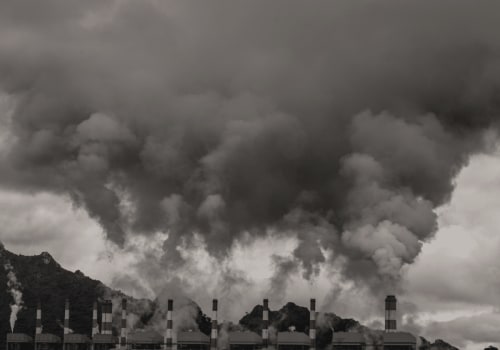
Industrial activities are a significant contributor to air pollution, and their impact extends beyond outdoor environments, severely affectingIndustrial activities are a significant contributor to air pollution, and their impact extends beyond outdoor environments, severely affecting indoor air quality as well. Factories and manufacturing plants release a variety of harmful pollutants that can infiltrate homes and workplaces, leading to serious health risks for occupants.One of the primary pollutants emitted from industrial sources is particulate matter (PM), which includes fine particles that can penetrate deep into the lungs and even enter the bloodstream.These particles are often a byproduct of processes such as burning fossil fuels, metal production, and chemical manufacturing. In addition to PM, industries also emit gases like sulfur dioxide (SO2), nitrogen oxides (NOx), and volatile organic compounds (VOCs). Each of these pollutants has distinct health implications:
- Particulate Matter (PM): Linked to respiratory diseases, cardiovascular issues, and premature death.
- Sulfur Dioxide (SO2): Can cause throat and eye irritation, as well as exacerbate asthma symptoms.
- Nitrogen Oxides (NOx): Contribute to the formation of ground-level ozone, which can lead to respiratory problems.
- Volatile Organic Compounds (VOCs): Often found in paints and solvents, these compounds can cause headaches, dizziness, and long-term health effects.
Additionally, industrial facilities located near residential areas can lead to higher concentrations of pollutants indoors due to proximity.To combat the effects of industrial pollution on indoor air quality, several measures can be implemented:
- Improved Ventilation: Ensuring adequate ventilation in homes and workplaces can help dilute indoor pollutants. This includes using air exchange systems that filter incoming air.
- Air Purifiers: Investing in high-quality air purifiers equipped with HEPA filters can significantly reduce particulate matter and other harmful substances in indoor environments.
- Regular Maintenance: Keeping HVAC systems well-maintained ensures they operate efficiently and do not circulate contaminated air.
- Source Control: Reducing the use of products that emit VOCs indoors, such as certain cleaning agents and paints, can help minimize exposure.
- Community Action: Advocating for stricter regulations on industrial emissions at local levels can lead to improved air quality for everyone.
Top Cause 3: Household Sources of Air Pollution
Household sources of air pollution are often overlooked, yet they can significantly impact indoor air quality. Many common household items and activities release pollutants that can harm our health and well-being. Understanding these sources is crucial for creating a healthier living environment.One of the primary contributors to indoor air pollution is the use of cleaning products.Many conventional cleaners contain volatile organic compounds (VOCs) that can evaporate into the air, leading to respiratory issues and other health problems. These chemicals can linger long after cleaning has taken place, affecting air quality.Another significant source of indoor pollutants is cooking. The use of gas stoves can release nitrogen dioxide (NO2) and carbon monoxide (CO), both of which are harmful when inhaled over time. Additionally, cooking methods that involve frying or grilling can produce particulate matter and other harmful emissions.
Common Household Pollutants
- Cleaning Products: Many contain harmful chemicals that contribute to poor air quality.
- Cooking Fumes: Gas stoves and high-heat cooking methods release various pollutants.
- Mold: Damp areas in the home can foster mold growth, releasing spores into the air.
- Dust and Allergens: Accumulated dust, pet dander, and pollen can exacerbate respiratory issues.
- Tobacco Smoke: Smoking indoors introduces numerous toxic substances into the air.
- Choose Natural Cleaning Products: Opt for eco-friendly cleaners or make your own using vinegar and baking soda.
- Ventilate While Cooking: Use exhaust fans or open windows to reduce cooking fumes and improve airflow.
- Control Humidity: Use dehumidifiers in damp areas to prevent mold growth.
- Regular Cleaning: Dust and vacuum frequently to minimize allergens in your home.
- Avoid Indoor Smoking: Establish a no-smoking policy inside your home to protect air quality.
This not only benefits your health but also creates a more comfortable living environment for you and your family.
Combating Indoor Air Pollution: Effective Strategies
Indoor air pollution is a pressing issue that can significantly impact our health and well-being. To combat this problem effectively, it is essential to implement a variety of strategies aimed at improving indoor air quality. Here are some practical solutions that can help reduce indoor pollutants and create a healthier living environment.Enhancing Ventilation
One of the most effective ways to improve indoor air quality is by ensuring proper ventilation. This can be achieved through:- Natural Ventilation: Open windows and doors whenever possible to allow fresh air to circulate.
This helps dilute indoor pollutants and brings in cleaner outdoor air.
- Mechanical Ventilation: Use exhaust fans in kitchens and bathrooms to remove moisture and contaminants. Consider installing a whole-house ventilation system that continuously exchanges indoor air with outdoor air.
- Air Exchange Systems: Invest in energy recovery ventilators (ERVs) or heat recovery ventilators (HRVs) that efficiently exchange stale indoor air with fresh outdoor air while minimizing energy loss.
Utilizing Air Purifiers
Air purifiers can be a valuable addition to your home, especially if you live in an area with high levels of outdoor pollution or have specific indoor allergens. When selecting an air purifier, consider the following:- HEPA Filters: Choose purifiers equipped with High-Efficiency Particulate Air (HEPA) filters, which can capture 99.97% of particles as small as 0.3 microns, including dust, pollen, and pet dander.
- Activated Carbon Filters: These filters are effective at removing odors and volatile organic compounds (VOCs) from the air, making them ideal for kitchens and areas where chemicals are used.
- Size and Coverage: Ensure the air purifier is appropriately sized for the room where it will be used. Check the Clean Air Delivery Rate (CADR) to determine its effectiveness in filtering specific pollutants.
Choosing Eco-Friendly Products
The products we use in our homes can contribute significantly to indoor air pollution.To minimize this impact, consider the following:
- Low-VOC Paints and Finishes: When renovating or redecorating, opt for paints, varnishes, and finishes labeled as low-VOC or zero-VOC to reduce harmful emissions.
- Natural Cleaning Supplies: Replace conventional cleaning products with eco-friendly alternatives made from natural ingredients. This reduces chemical exposure while maintaining cleanliness.
- Sustainable Materials: Choose furniture and building materials made from sustainable sources that do not off-gas harmful chemicals into your home environment.
The Role of Legislation in Improving Air Quality
Government legislation plays a crucial role in enhancing air quality, both outdoors and indoors. By implementing effective air quality regulations, authorities can significantly reduce the levels of harmful pollutants that affect public health and the environment.One of the most impactful pieces of legislation in the United States is the Clean Air Act , which was first enacted in 1963 and has undergone several amendments. This act empowers the Environmental Protection Agency (EPA) to set and enforce national air quality standards.These standards are designed to protect public health, particularly for vulnerable populations such as children, the elderly, and those with pre-existing health conditions.In addition to outdoor air quality, legislation also addresses indoor air quality. The EPA has established guidelines for indoor environments, focusing on reducing exposure to pollutants like mold, radon, and volatile organic compounds (VOCs). These guidelines encourage building codes that promote better ventilation and the use of non-toxic materials in construction and renovation.Moreover, local governments can implement policies that directly impact air quality in their communities. For instance, cities can promote public transportation initiatives, incentivize electric vehicle use, and establish low-emission zones.
Such measures not only improve outdoor air quality but also contribute to healthier indoor environments by reducing the infiltration of outdoor pollutants.The impact of these regulations is evident in various studies that show a direct correlation between stricter air quality laws and improved health outcomes. For example, areas that have adopted stringent emissions standards have reported lower rates of respiratory diseases and other pollution-related health issues.However, the effectiveness of legislation depends on consistent enforcement and public compliance. It is essential for citizens to be aware of these regulations and actively participate in initiatives aimed at improving air quality. Community engagement can lead to greater accountability and support for policies that protect both outdoor and indoor environments.In conclusion, government policies on pollution are vital for safeguarding public health and enhancing air quality.
By understanding the importance of these regulations and advocating for their enforcement, individuals can contribute to a cleaner, healthier future.
FAQs About Indoor Air Quality and Pollution Causes
Indoor air quality (IAQ) is a critical aspect of our health and well-being, yet many people have questions about how it relates to outdoor pollution sources. Here are some frequently asked questions that can help clarify this important topic.What are the main pollutants affecting indoor air quality?
Indoor air can be contaminated by a variety of pollutants, including:- Volatile Organic Compounds (VOCs): These are emitted from paints, cleaning products, and building materials.
- Particulate Matter (PM): Tiny particles that can enter the home from outdoor air or be generated indoors through cooking and heating.
- Carbon Monoxide (CO): A colorless, odorless gas produced by burning fossil fuels, which can accumulate in poorly ventilated spaces.
- Mold and Mildew: These thrive in damp environments and can release spores into the air.
- Pesticides: Chemicals used for pest control that can linger in the air long after application.
How does outdoor air pollution affect indoor air quality?
Outdoor air pollution can significantly impact indoor air quality. Pollutants such as nitrogen oxides, sulfur dioxide, and particulate matter can infiltrate homes through open windows, doors, and ventilation systems. This is particularly concerning during high pollution days when outdoor levels are elevated.Additionally, activities like smoking or using gas stoves can exacerbate indoor pollution levels.
What steps can I take to improve indoor air quality?
Improving indoor air quality involves several proactive measures:- Ventilation: Ensure proper ventilation by opening windows when outdoor air quality is good and using exhaust fans in kitchens and bathrooms.
- Air Purifiers: Consider using HEPA filters or air purifiers to reduce airborne pollutants.
- Regular Cleaning: Dust and vacuum regularly to minimize dust mites and other allergens.
- Mold Prevention: Address any water leaks promptly to prevent mold growth.
- Avoid Smoking Indoors: This is one of the most significant contributors to poor indoor air quality.
Conclusion: Taking Action for Better Indoor Air Quality
As we conclude our exploration of the top causes of air pollution and their impact on indoor air quality, it is essential to recognize that the responsibility for change lies with each of us. The air we breathe indoors can be just as harmful as outdoor pollutants, and understanding this connection is crucial for our health and well-being.Throughout this article, we have identified three primary contributors to air pollution: emissions from vehicles, industrial activities, and climate change. Each of these factors not only affects outdoor air quality but also seeps into our homes and workplaces, compromising the indoor air quality we often take for granted. Poor indoor air quality can lead to a range of health issues, including respiratory problems, allergies, and even long-term diseases.To combat these challenges, it is vital to take proactive steps towards improving our indoor environments.Here are some actionable strategies:
- Increase Ventilation: Ensure that your living spaces are well-ventilated. Open windows when weather permits and use exhaust fans in kitchens and bathrooms to reduce moisture and pollutants.
- Use Air Purifiers: Invest in high-quality air purifiers equipped with HEPA filters to capture fine particles and allergens that may be present in your home.
- Choose Low-Emission Products: Opt for paints, cleaning supplies, and furnishings that are labeled as low-VOC (volatile organic compounds) to minimize harmful emissions.
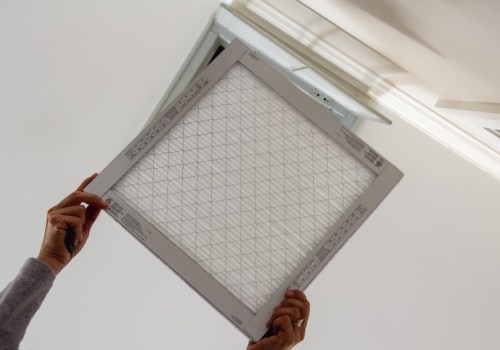
- Regular Maintenance: Keep HVAC systems well-maintained and change filters regularly to ensure efficient operation and cleaner air circulation.
- Reduce Indoor Pollutants: Limit the use of candles, incense, and tobacco products indoors. Additionally, address any mold issues promptly to prevent health risks.
Together, we can foster a culture of environmental responsibility that prioritizes both outdoor and indoor air quality.In summary, addressing the challenges posed by air pollution requires collective effort. By understanding the sources of indoor pollutants and actively working to mitigate them, we not only protect our health but also contribute to a more sustainable future. Let us commit to making informed choices that lead to cleaner air for generations to come.