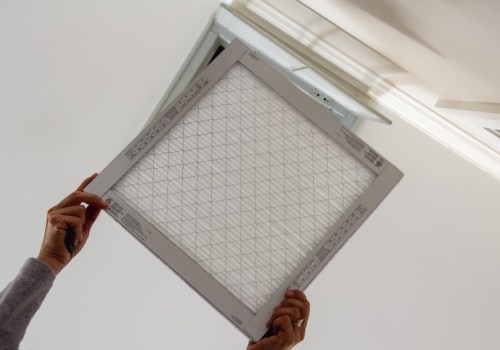
Indoor air quality (IAQ) is a critical yet often overlooked aspect of our daily lives. It refers to the air quality within and around buildings and structures, particularly as it relates to the health and comfort of the occupants. With many people spending up to 90% of their time indoors, understanding and maintaining good indoor air quality is essential for overall well-being. Poor IAQ can lead to a range of health issues, from minor irritations like headaches and fatigue to more severe conditions such as respiratory diseases and cardiovascular problems.The significance of measuring indoor air quality cannot be overstated.
Various factors contribute to IAQ, including pollutants from outdoor sources, emissions from household products, and biological contaminants like mold and dust mites. These elements can accumulate in enclosed spaces, leading to a deterioration in air quality that may go unnoticed until health symptoms arise. By regularly monitoring IAQ, individuals and organizations can identify potential hazards and take proactive measures to mitigate risks.Moreover, the importance of air quality extends beyond individual health; it also impacts productivity and cognitive function. Studies have shown that poor indoor air quality can lead to decreased concentration, increased absenteeism, and lower overall performance in work and educational settings.
Therefore, ensuring a healthy indoor environment is not just a matter of comfort but also a vital component of enhancing productivity and quality of life.As we delve deeper into the topic of indoor air quality, we will explore various measurement methods that can help assess IAQ effectively. Understanding these methods will empower individuals and organizations to make informed decisions about improving their indoor environments, ultimately leading to healthier living spaces.
What is Indoor Air Quality?
Indoor air quality
(IAQ) refers to the condition of the air within buildings and structures, particularly as it relates to the health and comfort of the occupants. Unlike outdoor air quality, which is influenced by environmental factors such as weather and pollution from vehicles and industries, indoor air quality is primarily affected by a variety of controllable factors. Understanding these factors is essential for maintaining a healthy indoor environment.Several key elements influence indoor air quality:
- Pollutants: Indoor air can be contaminated by a range of pollutants, including volatile organic compounds (VOCs), particulate matter, carbon monoxide, and biological contaminants such as mold and bacteria.
These pollutants can originate from various sources, including household cleaning products, paints, furniture, and even human activities like cooking and smoking.
- Ventilation: Proper ventilation is crucial for maintaining good indoor air quality. It involves the exchange of indoor air with outdoor air to dilute pollutants and bring in fresh air. Insufficient ventilation can lead to a buildup of indoor contaminants, while excessive ventilation can increase energy costs and reduce thermal comfort.
- Building Materials: The materials used in construction and furnishing can significantly impact indoor air quality. For instance, certain types of flooring, insulation, and adhesives may release harmful chemicals over time.
Choosing low-emission materials can help mitigate these risks.
- Humidity Levels: High humidity can promote the growth of mold and dust mites, while low humidity can lead to dry skin and respiratory issues. Maintaining optimal humidity levels (typically between 30% and 50%) is essential for a healthy indoor environment.
- Occupant Activities: The activities of individuals within a space also play a role in determining indoor air quality. Activities such as cooking, cleaning, or using personal care products can introduce additional pollutants into the air.
Why Measuring Indoor Air Quality is Essential
Measuring indoor air quality (IAQ) is not just a matter of comfort; it is a critical component of maintaining health, productivity, and overall well-being.The air we breathe indoors can be significantly more polluted than outdoor air, often due to a combination of factors such as inadequate ventilation, the presence of harmful chemicals, and biological contaminants. Understanding the importance of measuring IAQ can help mitigate health risks and enhance the quality of life.
Health Risks of Poor Indoor Air Quality
- Respiratory Issues: Poor IAQ can lead to a range of respiratory problems, including asthma, allergies, and chronic obstructive pulmonary disease (COPD). Pollutants such as dust mites, mold spores, and volatile organic compounds (VOCs) can exacerbate these conditions.
- Cardiovascular Effects: Studies have shown that long-term exposure to indoor air pollutants can increase the risk of heart disease. Fine particulate matter (PM2.5) and other toxins can enter the bloodstream and affect cardiovascular health.
- Cognitive Impairment: Research indicates that poor air quality can impair cognitive function and productivity.
High levels of carbon dioxide (CO2) in poorly ventilated spaces can lead to decreased concentration and decision-making abilities.
Benefits of Maintaining Good Indoor Air Quality
- Enhanced Health: By ensuring good IAQ, individuals can reduce the risk of respiratory illnesses and other health issues. Regular monitoring allows for timely interventions to address any air quality concerns.
- Increased Productivity: A clean indoor environment fosters better focus and efficiency. Employees in workplaces with good air quality tend to perform better and experience fewer sick days.
- Improved Comfort: Good IAQ contributes to overall comfort in living and working spaces. Proper ventilation and reduced pollutants create a more pleasant atmosphere.
By understanding the risks associated with poor air quality and the benefits of maintaining a clean environment, individuals and organizations can take proactive steps to ensure healthier indoor spaces.
Common Indoor Air Pollutants
Indoor air quality can be significantly compromised by various pollutants that often go unnoticed. Understanding these common indoor air pollutants is essential for maintaining a healthy living environment.Volatile Organic Compounds (VOCs)
Volatile Organic Compounds
, or VOCs, are a group of organic chemicals that can easily evaporate at room temperature. They are commonly found in many household products, including:
- Paints and varnishes
- Cleaning supplies
- Air fresheners
- Building materials
- Furniture finishes
Particulate Matter (PM)
Particulate matter
refers to tiny particles suspended in the air, which can be inhaled into the lungs.
Common sources of PM indoors include:
- Tobacco smoke
- Cooking fumes
- Pollen and dust from outside
- Pet dander
- Mold spores
Carbon Monoxide (CO)
Carbon monoxide
is a colorless, odorless gas produced by burning fossil fuels. Common sources include:
- Gas stoves and heaters
- Fireplaces
- Automobiles running in attached garages
Installing carbon monoxide detectors in your home is crucial for safety.
Mold
Mold
thrives in damp environments and can grow on various surfaces, including walls, ceilings, and floors. It often arises from:
- Water leaks
- High humidity levels
- Poor ventilation
Methods for Measuring Indoor Air Quality
Measuring indoor air quality is essential for maintaining a healthy living environment. Various methods and tools are available to assess the air we breathe indoors, each with its own advantages and limitations.Understanding these methods can help individuals and organizations choose the best approach for their specific needs.
Passive Sampling
Passive sampling is a method that involves collecting air samples without the use of active pumps or fans. This technique relies on the natural diffusion of air pollutants into a collection medium, such as a sorbent or filter. The advantages of passive sampling include:- Cost-effectiveness: Passive samplers are generally less expensive than active sampling devices.
- Simplicity: They are easy to deploy and require minimal maintenance.
- Long-term monitoring: Passive samplers can be left in place for extended periods, providing an average concentration of pollutants over time.
Active Sampling
Active sampling involves using pumps to draw air through a collection medium, such as filters or absorbent tubes. This method allows for more precise measurements of specific pollutants.Key benefits include:
- Real-time data: Active sampling can provide immediate results, making it suitable for identifying short-term pollution events.
- Higher sensitivity: This method can detect lower concentrations of pollutants compared to passive sampling.
Electronic Sensors
The advent of technology has led to the development of electronic sensors that can monitor indoor air quality in real-time. These sensors measure various parameters, including particulate matter (PM), volatile organic compounds (VOCs), carbon dioxide (CO2), and humidity. Advantages of electronic sensors include:- User-friendly: Many electronic sensors come with user-friendly interfaces and mobile applications for easy monitoring.
- Continuous monitoring: They provide ongoing data, allowing users to track changes in air quality over time.
- Alerts and notifications: Some devices can send alerts when pollutant levels exceed safe thresholds.
The Role of Air Quality Index (AQI)
The Air Quality Index (AQI) serves as a vital tool for assessing the quality of air we breathe, particularly in indoor environments where pollutants can accumulate and affect our health.While the AQI is commonly associated with outdoor air quality, understanding its implications for indoor spaces is equally important.The AQI is a numerical scale that ranges from 0 to 500, categorizing air quality into different levels of health concern. Each level is color-coded, making it easier for individuals to quickly grasp the state of the air around them. The categories include:
- Good (0-50): Air quality is considered satisfactory, and air pollution poses little or no risk.
- Moderate (51-100): Air quality is acceptable; however, there may be a concern for some people who are unusually sensitive to air pollution.
- Unhealthy for Sensitive Groups (101-150): Members of sensitive groups may experience health effects, but the general public is not likely to be affected.
- Unhealthy (151-200): Everyone may begin to experience health effects; members of sensitive groups may experience more serious health effects.
- Very Unhealthy (201-300): Health alert: everyone may experience more serious health effects.
- Hazardous (301-500): Health warnings of emergency conditions. The entire population is more likely to be affected.
For instance, using certain paints or cleaning agents can elevate indoor pollutant levels, potentially pushing the AQI into the "Unhealthy" or "Very Unhealthy" categories.Monitoring the AQI in indoor settings allows individuals to take proactive measures to improve their air quality. This can include:
- Increasing ventilation by opening windows or using exhaust fans.
- Utilizing air purifiers equipped with HEPA filters to capture airborne particles.
- Avoiding the use of harsh chemicals and opting for natural cleaning solutions.
- Regularly checking and maintaining HVAC systems to ensure they are functioning efficiently.
Regulatory Standards for Indoor Air Quality
Indoor air quality (IAQ) is a critical aspect of public health, and regulatory standards play a vital role in ensuring that the air we breathe indoors is safe and healthy. Organizations such as the Environmental Protection Agency (EPA) have established guidelines and regulations to help maintain acceptable levels of indoor air quality.The EPA has developed several standards and recommendations that address various pollutants commonly found in indoor environments.These include:
- Formaldehyde: The EPA recommends that indoor levels of formaldehyde should not exceed 0.1 parts per million (ppm) to minimize health risks associated with this common indoor pollutant.
- Carbon Monoxide: The EPA has set a standard for carbon monoxide levels, advising that concentrations should not exceed 9 ppm over an 8-hour period to prevent adverse health effects.
- Radon: The EPA recommends taking action to reduce radon levels in homes that exceed 4 picocuries per liter (pCi/L), as prolonged exposure can lead to serious health issues, including lung cancer.
- Particulate Matter (PM): While primarily focused on outdoor air quality, the EPA acknowledges the importance of controlling particulate matter indoors, especially PM2.5, which can penetrate deep into the lungs.
By following guidelines set forth by organizations like the EPA and ASHRAE, individuals and businesses can contribute to a safer and healthier indoor environment.
Improving Indoor Air Quality: Best Practices
Improving indoor air quality is essential for creating a healthy living environment. Here are some effective strategies and best practices to enhance the air you breathe indoors:1.Enhance Ventilation
Proper ventilation is crucial for maintaining good air quality. Here are some tips:- Open Windows: Whenever weather permits, open windows to allow fresh air to circulate. This helps dilute indoor pollutants.
- Use Exhaust Fans: Install exhaust fans in kitchens and bathrooms to remove moisture and odors, which can contribute to poor air quality.
- Consider Mechanical Ventilation: In homes with limited natural ventilation, consider installing a mechanical ventilation system that brings in fresh air while exhausting stale air.
2.Invest in Air Purifiers
Air purifiers can significantly reduce indoor pollutants.When selecting an air purifier, consider the following:
- HEPA Filters: Choose purifiers with HEPA filters, which can capture 99.97% of particles as small as 0.3 microns, including dust, pollen, and pet dander.
- Size Matters: Ensure the purifier is appropriately sized for the room where it will be used. Check the Clean Air Delivery Rate (CADR) for effectiveness.
- Regular Maintenance: Change filters as recommended by the manufacturer to maintain optimal performance.
3.Regular Maintenance Practices
Keeping your home well-maintained can prevent the buildup of pollutants:- Clean Regularly: Dust and vacuum your home frequently using a vacuum with a HEPA filter to minimize allergens.
- Control Humidity: Keep indoor humidity levels between 30% and 50% to prevent mold growth. Use dehumidifiers if necessary.
- Avoid Smoking Indoors: Smoking indoors can severely degrade indoor air quality. Establish a no-smoking policy within your home.
FAQs About Indoor Air Quality Measurement
Understanding indoor air quality (IAQ) measurement is essential for maintaining a healthy living environment.Here are some frequently asked questions that can help clarify common misconceptions and provide valuable insights into this important topic.
What are the most common methods for measuring indoor air quality?
There are several methods used to measure indoor air quality, including:- Portable Air Quality Monitors: These devices can measure various pollutants such as particulate matter (PM), volatile organic compounds (VOCs), and carbon dioxide (CO2). They are user-friendly and provide real-time data.
- Fixed Monitoring Stations: Installed in homes or buildings, these systems continuously monitor air quality and can be connected to smart home systems for alerts and data logging.
- Passive Sampling: This method involves using absorbent materials to collect air samples over time, which are then analyzed in a laboratory for specific pollutants.
How often should indoor air quality be measured?
The frequency of measuring indoor air quality depends on various factors, including the type of space, occupancy levels, and potential sources of pollution. For residential settings, it is advisable to conduct measurements at least once a year. However, if there are significant changes in the environment—such as renovations or increased occupancy—more frequent assessments may be necessary.What pollutants should I be concerned about indoors?
Common indoor air pollutants include:- Particulate Matter (PM): Tiny particles that can penetrate the lungs and cause respiratory issues.
- Volatile Organic Compounds (VOCs): Emitted from paints, cleaning products, and furnishings, these can lead to headaches and other health problems.
- Carbon Dioxide (CO2): Elevated levels can indicate poor ventilation and may lead to drowsiness or cognitive impairment.
- Mold and Mildew: These can thrive in damp environments and pose serious health risks.
Can I measure indoor air quality myself?
Yes, many homeowners opt for portable air quality monitors that allow them to measure various pollutants themselves.These devices are often equipped with user-friendly interfaces and provide immediate feedback on air quality levels. However, for comprehensive assessments or specific concerns, consulting with a professional may be beneficial.
What steps can I take to improve indoor air quality?
Improving indoor air quality involves several proactive measures:- Ventilation: Ensure proper ventilation by opening windows or using exhaust fans to reduce pollutant levels.
- Air Purifiers: Consider using HEPA filters or activated carbon filters to capture airborne particles and VOCs.
- Regular Cleaning: Dust and vacuum regularly to minimize allergens and pollutants.
- Avoid Smoking Indoors: Tobacco smoke is a significant source of indoor pollution.
Conclusion: The Path to Healthier Indoor Environments
In conclusion, the significance of measuring indoor air quality cannot be overstated. As we have explored throughout this article, the air we breathe indoors can be significantly more polluted than outdoor air, often due to a combination of factors such as inadequate ventilation, the presence of harmful chemicals, and biological contaminants. Understanding and monitoring these elements is essential for creating healthier living environments.To summarize the key points discussed:- Health Implications: Poor indoor air quality can lead to a range of health issues, including respiratory problems, allergies, and even long-term conditions such as asthma.
By measuring air quality, we can identify potential hazards and take steps to mitigate them.
- Common Pollutants: Indoor pollutants such as volatile organic compounds (VOCs), particulate matter (PM), and biological agents like mold and dust mites can severely impact our health. Regular monitoring helps in recognizing these threats early.
- Measurement Tools: Utilizing various tools and technologies, from simple air quality monitors to advanced sensors, allows us to gain insights into our indoor environments. These tools can provide real-time data that is crucial for making informed decisions about air quality management.
- Proactive Measures: Awareness of indoor air quality empowers individuals and organizations to implement proactive measures. This includes improving ventilation, using air purifiers, and choosing low-emission products to enhance the overall air quality.
- Regulatory Standards: Adhering to established guidelines and standards for indoor air quality can help ensure that living spaces remain safe and healthy.
Engaging with local regulations can also promote community-wide efforts to improve air quality.