Air pollution is a pervasive issue that affects not only the environment but also our health and well-being. It encompasses a variety of harmful substances that can be found in both outdoor and indoor settings. While many people are aware of the visible smog and haze that can blanket urban areas, the quality of air within our homes and workplaces is equally critical. Indoor air quality (IAQ) is often overlooked, yet it can significantly impact our daily lives, influencing everything from our productivity to our long-term health outcomes.The sources of air pollution are diverse, ranging from industrial emissions and vehicle exhaust to household products and building materials.
In fact, studies have shown that indoor air can be more polluted than outdoor air, primarily due to the accumulation of volatile organic compounds (VOCs), particulate matter, and other toxic substances. Understanding the types of air pollution is essential for recognizing their effects on indoor environments. This knowledge empowers individuals to take proactive measures to improve their living spaces.As we delve deeper into the topic, we will explore the three major types of air pollution: gaseous pollutants, particulate matter, and toxic air pollutants. Each type presents unique challenges and health risks that can compromise indoor air quality.
By examining these categories, we can better appreciate the importance of maintaining clean air in our homes and workplaces. Ultimately, addressing air pollution is not just an environmental concern; it is a vital aspect of public health that requires collective action and awareness.
Gaseous Pollutants: Sources and Effects
Gaseous pollutants are a significant concern for both outdoor and indoor air quality. These pollutants can originate from various sources, both natural and human-made, and their presence in the air can lead to serious health implications. Understanding the sources and effects of these pollutants is crucial for mitigating their impact on our health and environment.Sources of Gaseous Pollutants
- Natural Sources: Natural events such as volcanic eruptions, wildfires, and dust storms can release substantial amounts of gaseous pollutants into the atmosphere.
For instance, volcanic eruptions emit sulfur dioxide and other gases that can affect air quality over large areas.
- Anthropogenic Sources: Human activities are a major contributor to gaseous pollutants. Common sources include:
- Transportation: Vehicles emit nitrogen oxides (NOx) and carbon monoxide (CO) as byproducts of fuel combustion. These emissions are particularly concerning in urban areas where traffic congestion is prevalent.
- Industrial Processes: Factories and power plants often release sulfur dioxide (SO2) and volatile organic compounds (VOCs) into the air. These emissions can arise from burning fossil fuels or manufacturing chemicals.
- Household Products: Many common household items, such as cleaning agents, paints, and air fresheners, can release VOCs into indoor environments, significantly affecting indoor air quality.
Health Effects of Gaseous Pollutants
The health effects associated with exposure to gaseous pollutants can vary widely depending on the specific pollutant and the level of exposure.
Some common health impacts include:
- Carbon Monoxide (CO): This colorless, odorless gas can interfere with the blood's ability to carry oxygen, leading to symptoms such as headaches, dizziness, and in severe cases, death. It is particularly dangerous in enclosed spaces where ventilation is limited.
- Sulfur Dioxide (SO2): Exposure to this gas can cause respiratory problems, aggravate asthma, and lead to other serious health issues. It is also a precursor to acid rain, which can have broader environmental impacts.
- Nitrogen Oxides (NOx): These gases can irritate the lungs and lower resistance to respiratory infections. Long-term exposure may contribute to the development of asthma and other chronic respiratory diseases.
- Ozone (O3): Ground-level ozone is formed when sunlight reacts with pollutants like NOx and VOCs.
It can cause chest pain, throat irritation, and worsen bronchitis and asthma symptoms.
Particulate Matter: Understanding PM10 and PM2.5
Particulate matter (PM) is a significant component of air pollution that poses serious health risks, particularly in indoor environments. It consists of tiny particles suspended in the air, which can originate from various sources and have different sizes. The two primary categories of particulate matter are PM10 and PM2.5, distinguished by their diameter.Understanding PM10
PM10 refers to particulate matter with a diameter of 10 micrometers or smaller.These particles can be inhaled and may cause health issues, especially for individuals with pre-existing respiratory conditions. Common sources of PM10 include:
- Construction activities: Dust generated from construction sites can significantly contribute to PM10 levels.
- Vehicle emissions: Cars and trucks release particulate matter into the air, particularly in urban areas.
- Agricultural practices: Tilling soil and harvesting crops can release dust into the atmosphere.
- Natural sources: Wildfires and volcanic eruptions can also produce substantial amounts of PM10.
The Impact of PM2.5
PM2.5 consists of particles that are 2.5 micrometers or smaller in diameter. Due to their minuscule size, these particles can penetrate deep into the lungs and even enter the bloodstream, leading to more severe health effects compared to PM10. Sources of PM2.5 include:- Combustion processes: Burning fossil fuels in power plants, vehicles, and industrial facilities releases significant amounts of PM2.5.
- Household products: Certain household items, such as candles and incense, can emit fine particulate matter when burned.
- Tobacco smoke: Smoking indoors contributes to elevated levels of PM2.5, affecting indoor air quality.
Health Risks Associated with Particulate Matter
The health risks associated with both PM10 and PM2.5 are substantial. Exposure to these particles has been linked to a range of health issues, including:- Respiratory problems: Both types of particulate matter can exacerbate asthma and other chronic respiratory diseases.
- Cardiovascular diseases: Studies have shown that long-term exposure to high levels of PM2.5 is associated with an increased risk of heart attacks and strokes.
- Cancer: Some components of particulate matter are classified as carcinogenic, increasing the risk of lung cancer with prolonged exposure.
This can be achieved through measures such as using air purifiers, ensuring proper ventilation, and minimizing the use of products that emit fine particles indoors.
Toxic Air Pollutants: Identifying Hazardous Substances
Toxic air pollutants, often referred to as hazardous air pollutants (HAPs), are substances that pose significant risks to human health and the environment. These pollutants can be found both outdoors and indoors, with indoor air quality often being compromised by common household products and materials. Understanding these hazardous substances is crucial for mitigating their effects on health.Some of the most prevalent toxic air pollutants include:- Benzene : A colorless liquid with a sweet odor, benzene is commonly found in gasoline and is released from vehicle emissions, industrial processes, and tobacco smoke. Long-term exposure to benzene has been linked to serious health issues, including blood disorders and leukemia.
- Formaldehyde : This colorless gas is widely used in the production of building materials and household products, such as plywood, particleboard, and certain types of insulation.
It can also be emitted from cigarette smoke and vehicle exhaust. Exposure to formaldehyde can cause respiratory issues, skin irritation, and has been classified as a probable human carcinogen.
- Dioxins : A group of chemically-related compounds that are highly toxic, dioxins are produced during industrial processes such as waste incineration and the manufacturing of herbicides. They can accumulate in the food chain and have been associated with a range of health problems, including reproductive issues, developmental problems in children, and an increased risk of cancer.
This underscores the importance of maintaining good indoor air quality.To minimize exposure to these hazardous substances, consider the following strategies:
- Ensure proper ventilation in your home by opening windows or using exhaust fans when cooking or using chemical products.
- Choose low-emission or non-toxic products whenever possible, especially when it comes to paints, adhesives, and cleaning supplies.
- Regularly check for sources of indoor pollution such as mold or off-gassing from new furniture.
- Utilize air purifiers equipped with HEPA filters to help reduce airborne contaminants.
Indoor Air Quality: The Overlooked Aspect of Pollution
When discussing air pollution, the focus often lies on outdoor environments, neglecting a critical aspect: indoor air quality. The air we breathe indoors can be significantly more polluted than the air outside, primarily due to the accumulation of various pollutants in enclosed spaces. Understanding the importance of indoor air quality is essential for safeguarding our health and enhancing our overall well-being.Indoor air quality is influenced by several factors, including the materials used in construction, household products, and even the activities we engage in within our homes. Common sources of indoor air pollution include:- Volatile Organic Compounds (VOCs): These are emitted from paints, cleaning supplies, and building materials.
Prolonged exposure can lead to headaches, dizziness, and long-term health issues.
- Particulate Matter: Dust, pet dander, and mold spores can accumulate indoors, contributing to respiratory problems and allergies.
- Carbon Monoxide: This colorless gas can seep into homes from gas appliances and vehicles running in attached garages. It poses serious health risks if not properly ventilated.
- Formaldehyde: Often found in furniture and insulation materials, formaldehyde can irritate the eyes and throat and has been linked to cancer.
Here are some effective strategies to enhance indoor air quality:
- Increase Ventilation: Open windows when weather permits or use exhaust fans to help circulate fresh air.
- Use Air Purifiers: Invest in high-quality air purifiers equipped with HEPA filters to capture fine particles and allergens.
- Avoid Smoking Indoors: Tobacco smoke is a significant source of indoor pollution; keeping homes smoke-free is crucial for health.
- Regular Cleaning: Frequent dusting and vacuuming can help reduce dust and allergens that accumulate over time.
Mitigating Air Pollution: Strategies for Improvement
Mitigating air pollution and enhancing indoor air quality is essential for safeguarding health and well-being. Here are several effective strategies that individuals and organizations can implement to achieve cleaner air:1.Improve Ventilation
Proper ventilation is crucial in reducing indoor air pollutants. Here are some tips:- Open Windows: Whenever weather permits, open windows to allow fresh air to circulate.
This helps dilute indoor pollutants.
- Use Exhaust Fans: Install exhaust fans in kitchens and bathrooms to remove moisture and odors, which can contribute to poor air quality.
- Mechanical Ventilation Systems: Consider using energy recovery ventilators (ERVs) or heat recovery ventilators (HRVs) that bring in fresh outdoor air while minimizing energy loss.
2.Utilize Air Purifiers
Air purifiers can significantly enhance indoor air quality. When selecting an air purifier, consider the following:- HEPA Filters: Choose purifiers with HEPA filters, which can capture 99.97% of particles as small as 0.3 microns, including dust, pollen, and smoke.
- Activated Carbon Filters: These filters help remove odors and volatile organic compounds (VOCs) from the air.
- Size Appropriateness: Ensure the purifier is suitable for the size of the room where it will be used for maximum effectiveness.
3.Reduce Pollutant Sources
Identifying and minimizing sources of indoor pollution is vital. Here are some strategies:- Avoid Smoking Indoors: Tobacco smoke is a significant source of indoor air pollution. Establish a no-smoking policy within homes and workplaces.
- Select Low-VOC Products: When purchasing paints, cleaning supplies, and building materials, opt for low-VOC or VOC-free options to reduce harmful emissions.
- Regular Cleaning: Dust and vacuum regularly using a vacuum with a HEPA filter to minimize dust mites, pet dander, and other allergens.
Taking proactive steps not only enhances health but also contributes to a more sustainable environment.
Conclusion: The Path Forward for Cleaner Air
In summary, the three major types of air pollution—gaseous pollutants, particle pollution, and toxic air pollutants—pose significant threats not only to our outdoor environment but also to our indoor air quality. Each type of pollution has distinct sources and health implications that can affect individuals in various ways, particularly in urban settings where exposure levels are often higher.The impact of these pollutants on indoor air quality cannot be overstated. For instance, volatile organic compounds (VOCs), which are a subset of gaseous pollutants, can accumulate indoors from common household products such as paints, cleaning agents, and even furniture. This accumulation can lead to a range of health issues, including headaches, respiratory problems, and long-term effects such as cancer.Similarly, particulate matter can infiltrate homes through open windows or ventilation systems, exacerbating existing health conditions like asthma and allergies.As we look toward the future, it is crucial to prioritize actions that enhance indoor air quality. This includes:
- Improving ventilation: Ensuring adequate airflow in homes and buildings can help dilute indoor pollutants.
- Using air purifiers: High-efficiency particulate air (HEPA) filters can effectively reduce particulate matter and other harmful substances.
- Choosing low-emission products: Opting for paints, cleaners, and building materials that emit fewer VOCs can significantly improve indoor environments.
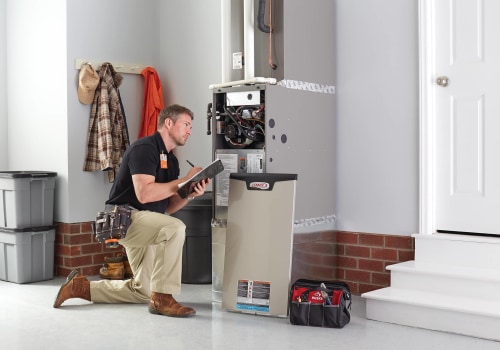
- Regular maintenance: Keeping HVAC systems clean and well-maintained helps prevent the circulation of dust and other pollutants.
By understanding the types of pollutants that affect our indoor environments and taking proactive measures to mitigate their impact, we can ensure a safer and healthier atmosphere for ourselves and future generations.