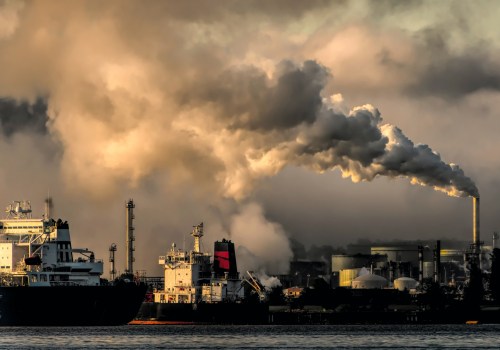
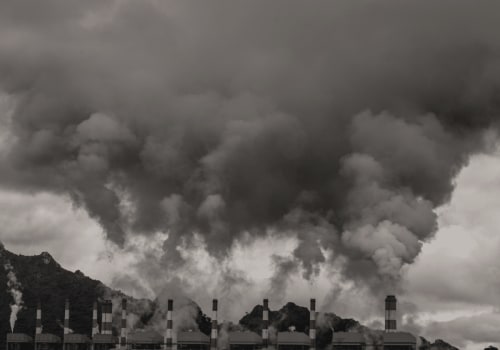
Air pollution is an ever-growing concern that affects not only our environment but also our health and well-being. It encompasses a variety of harmful substances released into the atmosphere, which can lead to serious health issues and environmental degradation. The significance of understanding air pollution cannot be overstated, as it plays a crucial role in determining the quality of the air we breathe, particularly in indoor settings where we spend a significant portion of our lives.Indoor air quality (IAQ) is a critical aspect of overall air quality that often goes overlooked. While outdoor air pollution is frequently highlighted in discussions about environmental health, the air inside our homes, schools, and workplaces can be just as contaminated, if not more so.
Common sources of indoor air pollution include volatile organic compounds (VOCs) emitted from household products, tobacco smoke, mold, and inadequate ventilation. These pollutants can lead to a range of health problems, from respiratory issues to long-term chronic diseases.The impact of poor indoor air quality extends beyond immediate health effects; it can also affect cognitive function and productivity. Studies have shown that exposure to high levels of indoor pollutants can impair decision-making abilities and overall mental performance. As we delve deeper into the primary sources of air pollution, it becomes evident that addressing these issues is essential for safeguarding our health and enhancing our quality of life.In this article, we will explore the five primary sources of air pollution and their implications for indoor air quality.
By understanding these sources and their effects on our environment and health, we can take informed steps toward improving the air we breathe both indoors and outdoors.
The Importance of Indoor Air Quality
Maintaining good indoor air quality is essential for promoting health and well-being, particularly as people spend a significant portion of their lives indoors. Poor indoor air quality can lead to a range of health issues, from minor irritations to serious respiratory diseases. Understanding the importance of indoor air quality involves recognizing the common pollutants found in our homes and workplaces, their sources, and the potential health effects they can cause.Indoor air pollutants can originate from various sources, including:- Volatile Organic Compounds (VOCs): These are emitted by a variety of household products such as paints, cleaning agents, and air fresheners. Prolonged exposure to VOCs can lead to headaches, dizziness, and even long-term damage to the liver and kidneys.
- Particulate Matter (PM): Fine particles can enter indoor spaces from outdoor air or be generated by cooking, heating, or smoking.
PM can penetrate deep into the lungs and is associated with cardiovascular diseases.
- Mold and Mildew: High humidity levels can promote mold growth in damp areas like bathrooms and basements. Mold spores can trigger allergic reactions and asthma attacks.
- Carbon Monoxide (CO): This colorless, odorless gas is produced by burning fossil fuels. Inadequate ventilation in homes with gas appliances can lead to dangerous levels of CO, which can be fatal.
- Radon: A naturally occurring radioactive gas that can seep into homes from the ground. Long-term exposure to radon is linked to lung cancer.
Short-term exposure may cause symptoms such as eye irritation, fatigue, and respiratory issues. However, long-term exposure can lead to chronic conditions such as asthma, cardiovascular diseases, and even cancer. Vulnerable populations, including children, the elderly, and individuals with pre-existing health conditions, are particularly at risk.To improve indoor air quality, it is crucial to implement effective strategies such as:
- Ventilation: Ensure proper ventilation in your home by opening windows or using exhaust fans to reduce indoor pollutant levels.
- Air Purifiers: Consider using HEPA filters or air purifiers that can capture fine particles and allergens.
- Regular Cleaning: Dust and vacuum regularly to minimize dust mites and other allergens.
- Mold Prevention: Control humidity levels with dehumidifiers and promptly address any water leaks.
- Avoiding Tobacco Smoke: Implement a strict no-smoking policy indoors to reduce exposure to harmful chemicals.
1.Fossil Fuel Combustion: A Major Contributor to Air Pollution
Fossil fuel combustion is one of the most significant contributors to air pollution, impacting both outdoor and indoor air quality.The burning of fossil fuels such as coal, oil, and natural gas releases a variety of harmful pollutants into the atmosphere. These emissions not only degrade air quality but also pose serious health risks to humans and the environment.When fossil fuels are burned for energy production, transportation, or industrial processes, they emit a range of toxic substances. Among these are carbon monoxide (CO) and nitrogen oxides (NOx) , which are particularly concerning due to their detrimental effects on human health.
Carbon Monoxide: A Silent Threat
Carbon monoxide is a colorless, odorless gas that can be lethal in high concentrations. It is produced during the incomplete combustion of fossil fuels.Common sources include:
- Automobiles and trucks
- Residential heating systems
- Gas-powered appliances
Nitrogen Oxides: A Catalyst for Smog
Nitrogen oxides, primarily nitrogen dioxide (NO2), are another byproduct of fossil fuel combustion. These gases contribute significantly to the formation of ground-level ozone and smog, which can exacerbate respiratory conditions like asthma and bronchitis. Major sources of nitrogen oxides include:- Power plants
- Industrial facilities
- Motor vehicles
For instance, homes that utilize gas stoves or heaters may experience elevated levels of carbon monoxide and nitrogen oxides if ventilation is inadequate. This underscores the importance of ensuring proper ventilation in residential settings to mitigate these risks.In conclusion, addressing the issue of fossil fuel combustion is crucial for improving air quality. Transitioning to cleaner energy sources and implementing stricter regulations on emissions can significantly reduce the harmful effects associated with these pollutants.
2.Industrial Activities and Their Impact on Air Quality
Industrial activities are a significant contributor to air pollution, releasing a variety of harmful substances that can severely impact both outdoor and indoor air quality. These emissions stem from various processes, including manufacturing, chemical production, and energy generation.Understanding the specific pollutants generated by these activities is crucial for developing effective control measures.One of the primary pollutants emitted by industrial operations is particulate matter (PM). This includes fine particles that can penetrate deep into the lungs and even enter the bloodstream, leading to serious health issues such as respiratory diseases, cardiovascular problems, and aggravated asthma. Industries that involve combustion processes, such as power plants and factories, are particularly notorious for releasing PM into the atmosphere.Another significant group of pollutants is volatile organic compounds (VOCs). These organic chemicals are emitted as gases from certain solids or liquids and can have short- and long-term adverse health effects.
Common sources of VOCs in industrial settings include:
- Solvents used in paints and coatings
- Adhesives and sealants
- Cleaning agents
- Fuel combustion
- Emission Controls: Industries should adopt advanced technologies such as scrubbers and filters to capture pollutants before they are released into the atmosphere.
- Regulatory Compliance: Adhering to environmental regulations set by government agencies can help limit emissions of harmful substances.
- Regular Monitoring: Implementing continuous air quality monitoring systems can help industries track their emissions and identify areas for improvement.
- Employee Training: Educating workers about safe handling practices for chemicals can reduce accidental releases of VOCs and other pollutants.
3.Indoor Air Pollution: Common Sources and Solutions
Indoor air pollution is a significant yet often overlooked aspect of environmental health. It can stem from various sources within our homes and workplaces, leading to serious health implications.Understanding these sources and implementing effective solutions is crucial for enhancing indoor air quality.
Common Sources of Indoor Air Pollution
- Tobacco Smoke: One of the most harmful contributors to indoor air pollution is tobacco smoke. It contains thousands of chemicals, many of which are toxic and can linger in the air long after smoking has ceased. This not only affects smokers but also poses risks to non-smokers through secondhand smoke.
- Household Products: Many common household items, such as cleaning agents, paints, and personal care products, release volatile organic compounds (VOCs) into the air. These compounds can cause respiratory issues and other health problems when inhaled over time.
- Inadequate Ventilation: Poor ventilation can trap pollutants indoors, leading to a buildup of harmful substances.
Without proper airflow, moisture levels can also rise, creating an environment conducive to mold growth.
- Combustion Appliances: Gas stoves, heaters, and fireplaces can emit carbon monoxide and nitrogen dioxide if not properly maintained or ventilated. These gases can be particularly dangerous in enclosed spaces.
- Pest Control Products: Insecticides and rodenticides used in homes can release harmful chemicals into the air. These substances can linger and pose health risks to residents.
Solutions for Improving Indoor Air Quality
- Increase Ventilation: Ensure that your home or workspace is well-ventilated. Open windows when weather permits, use exhaust fans in kitchens and bathrooms, and consider installing an air exchange system to improve airflow.
- Avoid Smoking Indoors: Establish a strict no-smoking policy inside your home or workplace.
This simple step can significantly reduce indoor air pollution levels.
- Choose Low-VOC Products: When purchasing paints, cleaning supplies, or personal care products, opt for those labeled as low-VOC or VOC-free. This choice helps minimize the release of harmful chemicals into your indoor environment.
- Regular Maintenance: Keep combustion appliances well-maintained and ensure they are properly vented to the outside. Regular inspections can prevent dangerous gas buildup.
- Use Air Purifiers: Consider investing in high-quality air purifiers equipped with HEPA filters. These devices can effectively capture airborne pollutants, improving overall indoor air quality.
4.Agricultural Activities: A Hidden Source of Air Pollution
Agricultural activities are often overlooked when discussing air pollution, yet they play a significant role in degrading both outdoor and indoor air quality.The emissions from livestock, the use of fertilizers, and the application of pesticides contribute to a complex web of pollutants that can have serious health implications.
Livestock Emissions
One of the primary contributors to air pollution from agriculture is livestock farming. Animals such as cows, pigs, and sheep produce methane (CH₄) during digestion through a process known as enteric fermentation. Methane is a potent greenhouse gas, with a global warming potential many times greater than carbon dioxide (CO₂). In addition to methane, livestock operations also emit ammonia (NH₃), which can react with other pollutants in the atmosphere to form fine particulate matter (PM2.5), adversely affecting air quality.Fertilizers and Their Impact
The use of synthetic fertilizers is another significant source of air pollution.When fertilizers are applied to crops, they release nitrogen oxides (NOx) into the atmosphere. These compounds can contribute to the formation of ground-level ozone, a harmful pollutant that can exacerbate respiratory issues and other health problems. Furthermore, the over-application of fertilizers can lead to runoff that contaminates water sources, creating a cycle of environmental degradation.
Pesticides: A Double-Edged Sword
Pesticides are commonly used in agriculture to protect crops from pests and diseases. However, many pesticides contain volatile organic compounds (VOCs) that can evaporate into the air and contribute to indoor air pollution when they settle in homes or nearby buildings.Prolonged exposure to these chemicals can lead to various health issues, including respiratory problems and neurological effects.
Strategies for Mitigating Agricultural Air Pollution
To address the air quality issues stemming from agricultural practices, several strategies can be implemented:- Adopting Sustainable Farming Practices: Techniques such as crop rotation, cover cropping, and integrated pest management can reduce reliance on chemical fertilizers and pesticides.
- Improving Livestock Management: Implementing better waste management systems and dietary adjustments for livestock can significantly reduce methane emissions.
- Utilizing Technology: Precision agriculture technologies can help farmers apply fertilizers and pesticides more efficiently, minimizing excess application and reducing emissions.
5.Natural Causes of Air Pollution: Understanding Their Role
Natural events play a significant role in contributing to air pollution, often releasing large quantities of pollutants into the atmosphere. Understanding these natural causes is essential for comprehending the broader context of air quality, especially as they can affect both outdoor and indoor environments.Forest Fires
One of the most impactful natural sources of air pollution is forest fires. These fires can occur due to lightning strikes, human activities, or even spontaneous combustion in dry conditions. When a forest fire ignites, it releases a variety of harmful substances into the air, including:
- Carbon Dioxide (CO2): A significant greenhouse gas that contributes to climate change.
- Particulate Matter (PM2.5): Tiny particles that can penetrate deep into the lungs and enter the bloodstream, causing serious health issues.
- Volatile Organic Compounds (VOCs): Organic chemicals that can lead to ground-level ozone formation and other respiratory problems.
- Carbon Monoxide (CO): A colorless, odorless gas that can be harmful when inhaled in large amounts.
This smoke not only impacts outdoor air quality but can also infiltrate indoor spaces, particularly in nearby communities, leading to increased health risks for residents.
Volcanic Eruptions
Another natural phenomenon that significantly contributes to air pollution is volcanic eruptions. When a volcano erupts, it releases ash and gases such as sulfur dioxide (SO2) into the atmosphere. These emissions can lead to:
- Ash Fall: Volcanic ash can blanket large areas, reducing visibility and contaminating water supplies.
- Sulfur Dioxide: This gas can react with water vapor in the atmosphere to form sulfuric acid, contributing to acid rain.
- Increased PM2.5 Levels: Similar to forest fires, volcanic eruptions release fine particulate matter that poses health risks.
Impact on Indoor Air Quality
While natural sources of air pollution primarily affect outdoor environments, their impact can extend indoors as well. For instance, smoke from nearby forest fires or volcanic ash can infiltrate homes and buildings through open windows and ventilation systems.
This infiltration can lead to:
- Increased levels of PM2.5, which are linked to respiratory diseases and cardiovascular problems.
- Higher concentrations of VOCs, which may cause headaches, dizziness, and long-term health effects.
- A decline in overall indoor air quality, making it essential for residents in affected areas to take precautions such as using air purifiers or sealing windows during high pollution events.
Effective Strategies for Controlling Air Pollution at Home
Controlling indoor air pollution is essential for maintaining a healthy living environment. Here are some effective strategies that can help you improve indoor air quality in your home:1.Enhance Ventilation
Proper ventilation is crucial for reducing indoor air pollutants. Here are some tips to enhance ventilation:- Open Windows: Whenever weather permits, open windows to allow fresh air to circulate.
This helps dilute indoor pollutants and brings in cleaner air.
- Use Exhaust Fans: Install exhaust fans in kitchens and bathrooms to remove moisture and odors. This is particularly important when cooking or after showering.
- Consider Mechanical Ventilation: If natural ventilation is insufficient, consider installing a mechanical ventilation system that can provide controlled airflow throughout your home.
2.Invest in Air Purifiers
Air purifiers can significantly reduce indoor air pollution by filtering out harmful particles and allergens. When choosing an air purifier, consider the following:- HEPA Filters: Look for purifiers with HEPA filters, which can capture 99.97% of particles as small as 0.3 microns, including dust, pollen, and pet dander.
- Activated Carbon Filters: These filters are effective at removing odors and volatile organic compounds (VOCs) from the air.
- Size Matters: Ensure the air purifier is appropriately sized for the room where it will be used to maximize its effectiveness.
3.Choose Low-Emission Products
The products you use in your home can contribute significantly to indoor air pollution. To minimize this impact, consider the following:- Select Low-VOC Paints: When painting or renovating, opt for low-VOC (volatile organic compounds) paints and finishes to reduce harmful emissions.
- Avoid Scented Products: Many scented candles, air fresheners, and cleaning products release harmful chemicals into the air.
Choose unscented or naturally scented alternatives instead.
- Use Natural Cleaning Solutions: Consider using vinegar, baking soda, and other natural ingredients for cleaning instead of harsh chemical cleaners.
The Role of Technology in Monitoring Indoor Air Quality
In today's world, the importance of monitoring indoor air quality cannot be overstated. With many people spending a significant portion of their lives indoors, understanding the factors that contribute to air pollution in these spaces is crucial for health and well-being. Fortunately, advancements in technology have made it easier than ever to track and improve indoor air quality.Technology Solutions for Monitoring Indoor Air Quality
Various technological solutions are available to help individuals and organizations monitor indoor air quality effectively. These tools range from simple devices to sophisticated systems that provide real-time data on air pollutants.
- Air Quality Sensors: These devices are designed to detect specific pollutants such as particulate matter (PM2.5 and PM10), volatile organic compounds (VOCs), carbon dioxide (CO2), and humidity levels.
Many modern sensors are compact, affordable, and can be easily integrated into home or office environments.
- Smart Home Devices: Many smart home systems now include air quality monitoring features. Devices like smart thermostats and air purifiers can automatically adjust settings based on real-time air quality data, ensuring optimal conditions for occupants.
- Mobile Applications: Numerous apps are available that connect with air quality sensors to provide users with instant updates on their indoor environment. These applications often include features such as historical data tracking, alerts for poor air quality, and tips for improving conditions.
The Role of Data Analysis
Collecting data is only part of the solution; analyzing this information is equally important. Advanced data analysis techniques can help identify patterns and trends in indoor air quality over time.
For instance, by examining data collected from sensors, users can determine whether specific activities or times of day correlate with spikes in pollutants.This analysis can lead to actionable insights, such as:
- Identifying sources of pollution within the home or workplace.
- Understanding how ventilation systems impact air quality.
- Recognizing the effectiveness of air purification methods.
Conclusion: Taking Action for Better Indoor Air Quality
In conclusion, addressing the issue of indoor air quality is essential for safeguarding our health and well-being. Throughout this article, we have explored the primary sources of air pollution, including fossil fuel combustion, industrial activities, indoor pollution, agricultural practices, and natural causes. Each of these sources contributes to the degradation of air quality, which can have serious implications for respiratory health and overall quality of life.Understanding these sources is the first step towards taking meaningful action. By recognizing how pollutants enter our homes and workplaces, we can implement effective strategies to mitigate their impact.For instance, improving ventilation in indoor spaces can significantly reduce the concentration of harmful substances. Regularly using air purifiers equipped with HEPA filters can also help trap particulate matter and allergens, enhancing the overall indoor air quality.Moreover, adopting a proactive approach to indoor pollution involves being mindful of the products we use daily. Opting for low-VOC paints, cleaning supplies, and furnishings can minimize the release of toxic compounds into our living environments. Additionally, maintaining a smoke-free home is crucial in preventing tobacco-related pollutants from compromising air quality.It is also important to engage in community efforts aimed at reducing outdoor air pollution, as this directly affects indoor environments.
Supporting policies that promote clean energy sources and sustainable agricultural practices can lead to a significant reduction in airborne toxins.Ultimately, improving indoor air quality requires a collective effort from individuals, communities, and governments. By taking informed actions and advocating for better regulations and technologies, we can create healthier indoor environments that contribute to improved health outcomes for everyone. Let us commit to making these changes today for a cleaner tomorrow.