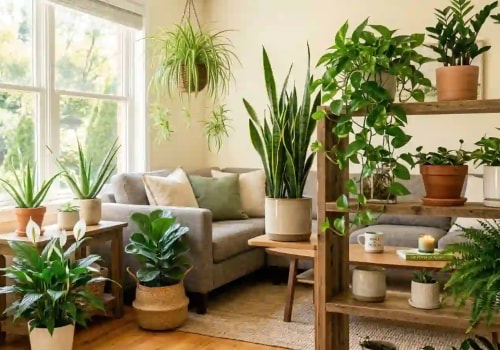
Indoor air quality (IAQ) is a critical yet often overlooked aspect of our living environments. It refers to the condition of the air within buildings and structures, particularly as it relates to the health and comfort of occupants. While many people assume that the air inside their homes is cleaner than the outdoor air, studies have shown that indoor air can be significantly more polluted due to various factors such as inadequate ventilation, the presence of harmful chemicals, and biological contaminants. Understanding indoor air quality is essential for safeguarding our health and well-being.The importance of maintaining good indoor air quality cannot be overstated.
Poor IAQ can lead to a range of health issues, from minor irritations like headaches and fatigue to more severe conditions such as respiratory diseases and cardiovascular problems. Vulnerable populations, including children, the elderly, and individuals with pre-existing health conditions, are particularly at risk. By recognizing the significance of indoor air quality, we can take proactive steps to mitigate its potential dangers.Moreover, the impact of indoor air quality extends beyond physical health; it can also affect our mental well-being and productivity. Environments with high levels of pollutants can lead to decreased concentration, increased stress levels, and overall dissatisfaction with one’s living or working space.
Therefore, understanding what constitutes good indoor air quality and how it can be achieved is vital for creating healthier environments.In this article, we will delve deeper into the hidden dangers associated with poor indoor air quality and explore effective strategies for improving it. By arming ourselves with knowledge about IAQ, we can make informed decisions that protect not only our health but also enhance our quality of life.
Common Sources of Indoor Air Pollution
Indoor air pollution is a significant concern that often goes unnoticed. Understanding the common sources of indoor air pollution is essential for safeguarding your health and improving the quality of the air you breathe. Below are some of the primary contributors to poor indoor air quality:- Household Chemicals: Many everyday products contain volatile organic compounds (VOCs) that can evaporate into the air.
These include:
- Cleaning agents: Common household cleaners, disinfectants, and air fresheners often release harmful chemicals.
- Paints and varnishes: The fumes from freshly painted walls can linger for days, contributing to indoor air pollution.
- Personal care products: Items like perfumes, deodorants, and hair sprays can also emit VOCs.
- Building Materials: The materials used in construction and renovation can significantly impact indoor air quality. Some examples include:
- Formaldehyde: Found in pressed wood products, such as particleboard and plywood, formaldehyde can off-gas into the air.
- Asbestos: Older buildings may contain asbestos in insulation or flooring, which poses serious health risks when disturbed.
- Mold and mildew: Moisture problems can lead to mold growth, releasing spores that can trigger allergies and respiratory issues.
- Outdoor Pollutants: Surprisingly, outdoor air quality can also affect indoor environments. Common sources include:
- Pollen: Seasonal allergens can infiltrate homes through open windows and doors.
- Vehicle emissions: Pollutants from nearby roads can enter homes, especially if they are not well-sealed.
- Construction dust: Nearby construction activities can introduce dust and particulate matter into your living space.
Health Risks Associated with Poor Indoor Air Quality
Understanding the health risks associated with poor indoor air quality is crucial for safeguarding your well-being.The air we breathe indoors can harbor a variety of pollutants that may lead to both immediate and long-term health issues.
Short-Term Symptoms
- Respiratory Issues: Many individuals experience symptoms such as coughing, wheezing, and shortness of breath when exposed to poor indoor air quality. These symptoms can be particularly pronounced in those with pre-existing conditions like asthma or chronic obstructive pulmonary disease (COPD).
- Allergic Reactions: Dust mites, mold spores, and pet dander are common indoor allergens that can trigger sneezing, runny noses, and itchy eyes. If you notice these symptoms worsening while at home, it may indicate a problem with your indoor air quality.
- Headaches and Fatigue: Poor air quality can lead to headaches, dizziness, and general fatigue. These symptoms often arise from exposure to volatile organic compounds (VOCs) found in household products like paints and cleaners.
Long-Term Health Effects
The implications of prolonged exposure to poor indoor air quality can be severe:
- Chronic Respiratory Diseases: Long-term exposure to indoor pollutants can exacerbate existing respiratory conditions and contribute to the development of new ones.
Studies have shown a correlation between poor indoor air quality and increased rates of asthma and other chronic respiratory diseases.
- Cardiovascular Problems: Emerging research suggests that poor indoor air quality may also be linked to cardiovascular issues. Pollutants such as particulate matter can enter the bloodstream, potentially leading to heart disease and other serious conditions.
- Cancer Risks: Certain indoor air pollutants, including radon and formaldehyde, have been classified as carcinogenic. Long-term exposure to these substances can significantly increase the risk of developing cancer.
Signs of Poor Indoor Air Quality
Understanding the signs of poor indoor air quality is crucial for maintaining a healthy living environment.Many individuals may not realize that the air inside their homes can be more polluted than the air outside. Here are some key indicators to watch for:
- Frequent Allergic Reactions: If you or your family members experience persistent sneezing, runny noses, or itchy eyes, it could be a sign of allergens in your indoor air. Common culprits include dust mites, pet dander, and mold spores.
- Respiratory Issues: Symptoms such as coughing, wheezing, or shortness of breath can indicate that your indoor air quality is compromised. These symptoms may worsen when you are indoors, suggesting that pollutants are present.
- Unexplained Fatigue: Feeling unusually tired or lethargic can be linked to poor air quality.
If you notice that your energy levels drop significantly when at home, it might be time to investigate your indoor environment.
- Headaches and Dizziness: Frequent headaches or feelings of dizziness can also be associated with indoor air pollution. These symptoms may arise from exposure to volatile organic compounds (VOCs) found in household products.
- Mold Growth: The presence of mold in your home is a clear indicator of moisture issues and poor ventilation. Mold can release spores into the air, which can exacerbate respiratory problems and allergies.
- Stale or Musty Odors: If you notice unpleasant smells that linger in your home, it could indicate trapped pollutants or mold growth. Fresh air should not have a musty scent; if it does, consider improving ventilation.
If you find yourself experiencing multiple signs simultaneously, it’s essential to take action promptly. Ignoring these indicators can lead to more severe health problems over time.In addition to monitoring for these signs, consider conducting regular assessments of your home’s air quality. This proactive approach will help ensure a healthier living space for you and your loved ones.
How to Test Your Indoor Air Quality
Understanding the quality of the air you breathe indoors is crucial for maintaining a healthy living environment. Testing your indoor air quality can help identify specific pollutants and allergens that may be affecting your health.There are various methods to assess indoor air quality, ranging from simple DIY tests to comprehensive professional evaluations.
DIY Air Quality Tests
For homeowners looking to get a quick assessment of their indoor air quality, several DIY methods can provide valuable insights:- Visual Inspection: Start by examining your home for visible signs of mold, dust accumulation, or water damage. Mold can thrive in damp areas, and its presence often indicates poor air quality.
- Air Quality Test Kits: Numerous kits are available for purchase that allow you to test for specific pollutants such as volatile organic compounds (VOCs), carbon monoxide, and particulate matter. These kits typically include sampling devices and instructions for collecting air samples.
- Humidity Levels: Use a hygrometer to measure humidity levels in your home. Ideally, indoor humidity should be between 30% and 50%.
High humidity can lead to mold growth, while low humidity can cause respiratory irritation.
When to Seek Professional Help
While DIY methods can provide initial insights, there are situations where professional testing services are recommended:- Persistent Health Issues: If you or your family members experience ongoing respiratory problems, headaches, or other unexplained health issues, it may be time to consult a professional.
- Renovations or New Construction: If you've recently renovated your home or moved into a new one, professional testing can help identify any harmful substances that may have been introduced during construction.
- Specific Concerns: If you suspect the presence of hazardous materials like asbestos or lead, specialized testing is necessary to ensure safety.
Effective Strategies to Improve Indoor Air Quality
Improving indoor air quality is essential for creating a healthy living environment. Here are some effective strategies that can help you enhance the air quality in your home:Enhancing Ventilation
Proper ventilation is crucial for maintaining good air quality.Here are some tips to improve ventilation in your home:
- Open Windows and Doors: Whenever weather permits, open windows and doors to allow fresh air to circulate. This simple act can significantly reduce indoor pollutants.
- Use Exhaust Fans: Install and use exhaust fans in areas like kitchens and bathrooms where moisture and odors can accumulate. These fans help expel stale air and bring in fresh air.
- Consider Mechanical Ventilation: If natural ventilation is insufficient, consider installing a mechanical ventilation system. Heat recovery ventilators (HRVs) or energy recovery ventilators (ERVs) can efficiently exchange indoor and outdoor air while minimizing energy loss.
The Benefits of Air Purifiers
Air purifiers can be a valuable addition to your home, especially if you live in an area with high levels of pollution or have allergies.Here are some benefits of using air purifiers:
- Removes Particulate Matter: Air purifiers equipped with HEPA filters can capture small particles such as dust, pollen, and pet dander, which are common allergens.
- Reduces Odors: Many air purifiers come with activated carbon filters that effectively absorb odors from cooking, pets, and smoke, leaving your home smelling fresh.
- Eliminates Harmful Chemicals: Some advanced models can filter out volatile organic compounds (VOCs) emitted by household products, helping to reduce the risk of health issues associated with these chemicals.
Natural Solutions for Better Indoor Air Quality
Improving indoor air quality doesn't have to involve harsh chemicals or expensive solutions. There are numerous natural solutions that can enhance the air you breathe while also being kind to the environment. By adopting these eco-friendly practices, you can create a healthier living space for you and your family.One of the most effective ways to improve indoor air quality is by using non-toxic cleaning products.Many conventional cleaning agents contain volatile organic compounds (VOCs) that can contribute to poor air quality and health issues. Instead, consider making your own cleaning solutions using simple ingredients:
- Vinegar: A natural disinfectant that can be used for cleaning surfaces, windows, and even as a fabric softener.
- Baking soda: Excellent for deodorizing carpets and upholstery, as well as scrubbing surfaces without scratching.
- Lemon juice: A natural antibacterial agent that leaves a fresh scent and can cut through grease.
Certain houseplants are known for their ability to absorb toxins and release oxygen, making them excellent companions for improving air quality. Some popular options include:
- Spider Plant: Known for its ability to remove formaldehyde and xylene from the air.
- Pothos: A hardy plant that thrives in low light and helps filter out indoor pollutants.
- Sansevieria (Snake Plant): Releases oxygen at night, making it ideal for bedrooms.
- Bamboo Palm: Effective at removing benzene and formaldehyde while adding humidity to the air.
Maintaining Your HVAC System for Optimal Air Quality
Maintaining your HVAC system is crucial for ensuring optimal indoor air quality.A well-functioning HVAC system not only regulates temperature but also plays a significant role in filtering out pollutants and allergens that can compromise your health. Regular maintenance can help prevent the buildup of dust, mold, and other harmful particles that may circulate in your home.
Importance of Regular Filter Changes
One of the simplest yet most effective ways to maintain your HVAC system is by changing the air filters regularly. Filters are designed to trap dust, pollen, pet dander, and other contaminants. When filters become clogged, they can no longer perform their function effectively, leading to poor indoor air quality.
It is recommended to check your filters monthly and replace them every three months or sooner if you have pets or live in a dusty environment.
Signs That Your HVAC System Needs Attention
- Increased Energy Bills: If you notice a sudden spike in your energy costs, it may indicate that your HVAC system is working harder than it should due to dirty filters or other issues.
- Unusual Noises: Sounds like grinding, squeaking, or rattling can signal mechanical problems that need immediate attention.
- Poor Airflow: If certain rooms are not receiving adequate airflow, it could be a sign of duct blockages or issues with the HVAC unit itself.
- Unpleasant Odors: Foul smells can indicate mold growth within the system or burnt-out components.
The Role of Professional HVAC Services
While regular filter changes and basic maintenance can be performed by homeowners, enlisting the help of professional HVAC services is essential for comprehensive care. Professionals can conduct thorough inspections, clean ducts, and identify potential issues before they escalate into costly repairs. They also have the expertise to recommend upgrades or modifications that can enhance your system's efficiency and improve indoor air quality.In conclusion, prioritizing the maintenance of your HVAC system is a proactive step towards safeguarding your health. By ensuring regular filter changes and seeking professional assistance when needed, you can significantly reduce indoor pollutants and create a healthier living environment for you and your family.
Frequently Asked Questions about Indoor Air Quality
Indoor air quality (IAQ) is a topic that often raises numerous questions and misconceptions.Understanding these can help individuals make informed decisions about their living environments. Here are some frequently asked questions regarding indoor air quality:
What are the common sources of indoor air pollution?
Indoor air pollution can stem from various sources, including:- Household cleaning products: Many cleaning agents contain volatile organic compounds (VOCs) that can contribute to poor air quality.
- Building materials: Items such as paint, varnishes, and adhesives can release harmful chemicals into the air.
- Pest control products: Insecticides and rodenticides can introduce toxic substances into your home.
- Biological contaminants: Mold, dust mites, and pet dander are common allergens that can affect air quality.
How can I tell if my indoor air quality is poor?
There are several signs that may indicate poor indoor air quality:- Health symptoms: Frequent headaches, fatigue, or respiratory issues when indoors may signal a problem.
- Odors: Unpleasant smells, especially from mold or chemicals, can indicate poor air quality.
- Visible mold growth: Mold on walls or ceilings is a clear sign of excess moisture and poor ventilation.
Are air purifiers effective in improving indoor air quality?
Air purifiers can be quite effective in reducing indoor pollutants. However, their effectiveness depends on several factors:- The type of filter used (HEPA filters are highly recommended).
- The size of the unit relative to the room size.
- The specific pollutants you aim to reduce (some purifiers target specific types of contaminants).
What are some common myths about indoor air quality?
Misinformation about indoor air quality can lead to ineffective solutions. Here are a few common myths:- Myth 1: Indoor air is always cleaner than outdoor air.
This is false; indoor air can be more polluted due to confined spaces and various sources of contamination.
- Myth 2: Opening windows will always improve indoor air quality. This may not be true in areas with high outdoor pollution levels.
- Myth 3: Only smokers create poor indoor air quality. Many non-smoking households also experience significant pollution from everyday products.
Conclusion: Taking Action for Healthier Indoor Air Quality
In summary, the significance of maintaining good indoor air quality cannot be overstated. The hidden dangers associated with poor air quality can lead to a myriad of health issues, ranging from mild irritations to severe chronic conditions.As we have explored, the sources of indoor air pollution are often found within our own homes, including household products, inadequate ventilation, and even outdoor pollutants that infiltrate our living spaces.To protect your health and that of your loved ones, it is essential to take proactive measures. Here are some key actions you can implement:
- Enhance Ventilation: Ensure that your home is well-ventilated. Open windows and doors when weather permits to allow fresh air to circulate. Consider using exhaust fans in kitchens and bathrooms to remove excess moisture and pollutants.
- Invest in Air Purification: Utilize air purifiers equipped with HEPA filters to capture airborne particles and allergens.
This can significantly improve the overall air quality in your home.
- Choose Non-Toxic Products: Be mindful of the cleaning agents, paints, and other household products you use. Opt for natural or low-VOC (volatile organic compounds) alternatives to minimize harmful emissions.
- Regular HVAC Maintenance: Schedule routine inspections and maintenance for your heating, ventilation, and air conditioning (HVAC) system. Change filters regularly to ensure efficient operation and cleaner air circulation.
- Monitor Humidity Levels: Keep indoor humidity levels between 30% and 50% to prevent mold growth and dust mites. Use dehumidifiers if necessary, especially in damp areas like basements.
- Conduct Indoor Air Quality Testing: If you suspect high levels of pollutants or toxins in your home, consider hiring professionals to conduct indoor air quality assessments.
This can help identify specific issues and provide tailored solutions.