Indoor air quality (IAQ) refers to the condition of the air within buildings and structures, particularly as it relates to the health and comfort of the occupants. It encompasses a variety of factors, including the presence of pollutants, humidity levels, temperature, and ventilation. Understanding indoor air quality is crucial because we spend a significant portion of our lives indoors—whether at home, in schools, or at work. The air we breathe can have profound effects on our overall well-being, influencing everything from our respiratory health to our cognitive function, highlighting its role as one of the key social determinants of health.The importance of maintaining good indoor air quality cannot be overstated. Indoor air quality (IAQ) refers to the condition of the air within buildings and structures, particularly as it relates to the health and comfort of the occupants. It encompasses a variety of factors, including the presence of pollutants, humidity levels, temperature, and ventilation. Understanding indoor air quality is crucial because we spend a significant portion of our lives indoors—whether at home, in schools, or at work. The air we breathe can have profound effects on our overall well-being, influencing everything from our respiratory health to our cognitive function, highlighting its role as one of the key social determinants of health.The importance of maintaining good indoor air quality cannot be overstated.
Poor IAQ can lead to a range of health issues, including headaches, fatigue, allergies, and even more severe conditions like asthma and lung disease. Common indoor air pollutants include volatile organic compounds (VOCs), mold spores, dust mites, and carbon monoxide. These contaminants can originate from various sources such as household cleaning products, building materials, and even outdoor air that infiltrates through poorly sealed windows and doors.Moreover, the significance of indoor air quality extends beyond immediate health concerns; it also impacts productivity and quality of life. Studies have shown that environments with high levels of indoor pollutants can lead to decreased concentration and increased absenteeism in workplaces.
Therefore, understanding what constitutes good IAQ and recognizing the potential dangers associated with its deterioration is essential for creating healthier living and working environments.
Common Sources of Indoor Air Pollution
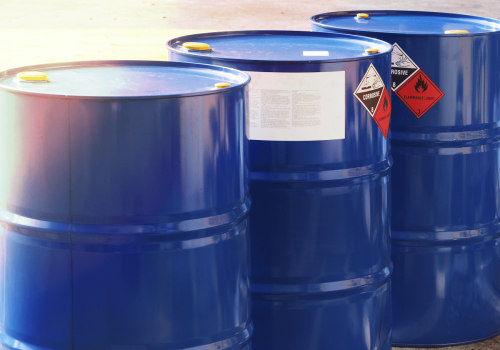
Indoor air pollution is a significant concern that can arise from various sources within our homes. Understanding these sources is essential for identifying potential risks and taking proactive measures to improve indoor air quality.Here are some common sources of indoor air pollution:- Household Cleaning Products: Many cleaning agents contain volatile organic compounds (VOCs) that can evaporate into the air, contributing to poor air quality. Products such as sprays, detergents, and disinfectants often release harmful chemicals that can irritate the respiratory system.
- Building Materials: Construction materials like paints, varnishes, and adhesives can emit VOCs long after they have been applied. Additionally, materials such as particleboard and plywood may release formaldehyde, a known carcinogen, into the indoor environment.
- Furniture and Carpets: New furniture and carpets can also be sources of indoor air pollutants.
Many of these items are treated with chemicals to resist stains or pests, which can off-gas harmful substances into the air.
- Appliances: Fuel-burning appliances such as gas stoves, heaters, and fireplaces can produce carbon monoxide and nitrogen dioxide if not properly ventilated. These gases can pose serious health risks, especially in poorly ventilated spaces.
- Tobacco Smoke: Smoking indoors is a major source of indoor air pollution. Secondhand smoke contains thousands of harmful chemicals that can linger in the air and settle on surfaces, affecting everyone in the household.
- Mold and Mildew: High humidity levels can lead to mold growth in damp areas like bathrooms and basements. Mold spores can become airborne and trigger allergic reactions or respiratory issues.
- Pests: Insects and rodents can contribute to indoor air pollution through their droppings, urine, and decomposing bodies.
These allergens can exacerbate asthma and other respiratory conditions.
Health Impacts of Poor Indoor Air Quality
The health impacts of poor indoor air quality are profound and multifaceted, affecting individuals in both the short and long term. Immediate symptoms can manifest quickly, often leading to discomfort and distress. Common reactions include:- Respiratory Issues: Individuals may experience coughing, wheezing, or shortness of breath, particularly those with pre-existing conditions like asthma or chronic obstructive pulmonary disease (COPD).
- Allergic Reactions: Exposure to indoor allergens such as dust mites, mold spores, and pet dander can trigger allergic responses, resulting in sneezing, nasal congestion, and itchy eyes.
- Headaches and Fatigue: Poor air quality can lead to headaches and a general sense of fatigue, making it difficult to concentrate or perform daily tasks.
Chronic exposure can lead to serious health conditions, including:
- Lung Diseases: Long-term exposure to pollutants can contribute to the development of chronic lung diseases such as asthma and lung cancer. Studies have shown that individuals living in environments with high levels of indoor air pollution are at a greater risk of developing these conditions.
- Cardiovascular Problems: Research indicates a strong link between poor indoor air quality and cardiovascular diseases. Pollutants can enter the bloodstream through the lungs, leading to inflammation and increased risk of heart attacks and strokes.
- Neurological Effects: Emerging studies suggest that long-term exposure to certain indoor air pollutants may be associated with cognitive decline and neurological disorders. This includes potential links to conditions such as dementia.
Implementing measures such as regular ventilation, using air purifiers, and minimizing the use of harmful chemicals indoors can significantly improve air quality. By taking proactive steps, we can mitigate these health risks and promote a healthier living environment for ourselves and our families.
The Role of Ventilation in Indoor Air Quality
Ventilation plays a crucial role in maintaining indoor air quality, acting as the primary mechanism for removing indoor pollutants and bringing in fresh outdoor air. Proper ventilation is essential not only for comfort but also for health, as it helps to dilute and disperse harmful contaminants that can accumulate in enclosed spaces.One of the key aspects of effective ventilation is ensuring a balance between energy efficiency and adequate air circulation. Many modern homes are designed to be energy-efficient, which often leads to tighter construction and reduced airflow.While this can lower heating and cooling costs, it can also trap pollutants inside, leading to a decline in indoor air quality.There are several types of ventilation systems that can be employed to improve indoor air quality:
- Naturally Ventilated Systems: These rely on natural forces such as wind and temperature differences to circulate air. Opening windows and doors can enhance airflow, but this method is highly dependent on external weather conditions.
- Mechanical Ventilation: This involves the use of fans and ductwork to actively bring in fresh air and expel stale air. Systems like heat recovery ventilators (HRVs) or energy recovery ventilators (ERVs) can provide efficient ventilation while minimizing energy loss.
- Hybrid Systems: Combining both natural and mechanical methods, hybrid systems can optimize ventilation based on real-time conditions, ensuring that indoor air remains fresh without excessive energy consumption.
These contaminants can trigger respiratory issues, exacerbate allergies, and contribute to long-term health problems.Moreover, proper ventilation helps regulate humidity levels within a space. High humidity can promote mold growth and dust mites, both of which are detrimental to indoor air quality. By ensuring adequate airflow, homeowners can maintain optimal humidity levels, thereby reducing the risk of these issues.In conclusion, understanding the role of ventilation in indoor air quality is vital for creating a healthy living environment. Homeowners should assess their current ventilation systems and consider improvements that not only enhance air circulation but also align with energy efficiency goals.
Regular maintenance of HVAC systems and the incorporation of fresh air sources are essential steps toward achieving better indoor air quality.
Identifying Poor Indoor Air Quality: Signs and Symptoms
Recognizing the signs of poor indoor air quality is crucial for maintaining a healthy living environment. Many individuals may not realize that the air inside their homes can be more polluted than the air outside. Here are some common indicators that suggest your indoor air quality may be compromised:- Unpleasant Odors: A persistent musty or chemical smell can indicate the presence of mold, mildew, or volatile organic compounds (VOCs) from household products.
- Increased Allergies: If you or your family members experience heightened allergy symptoms such as sneezing, runny nose, or itchy eyes, it may be a sign of indoor air pollution.
- Respiratory Issues: Frequent coughing, wheezing, or shortness of breath can be symptoms of poor air quality, especially for those with pre-existing conditions like asthma.
- Headaches and Fatigue: Regular headaches or feelings of fatigue can be linked to exposure to indoor pollutants, particularly if they occur in specific areas of your home.
- Visible Mold Growth: The appearance of mold on walls, ceilings, or other surfaces is a clear sign of excess moisture and poor ventilation, which can severely impact air quality.
- Monitor Humidity Levels: Use a hygrometer to keep humidity levels between 30% and 50%. High humidity can promote mold growth and dust mites.
- Check for Airflow: Ensure that vents are not blocked and that air circulates freely throughout your home.
Stagnant air can lead to a buildup of pollutants.
- Use Air Quality Monitors: Invest in an indoor air quality monitor that can detect levels of common pollutants such as carbon dioxide, VOCs, and particulate matter.
Mitigating Indoor Air Pollution: Practical Solutions
Improving indoor air quality is essential for maintaining a healthy living environment. Here are several practical solutions that can help mitigate indoor air pollution:- Enhance Ventilation: One of the most effective ways to improve indoor air quality is by ensuring proper ventilation.
Open windows and doors whenever possible to allow fresh air to circulate. If outdoor conditions are not favorable, consider using exhaust fans in kitchens and bathrooms to remove stale air and moisture.
- Utilize Air Purifiers: Investing in a high-quality air purifier can significantly reduce indoor pollutants. Look for models equipped with HEPA filters, which can capture small particles such as dust, pollen, and pet dander. Additionally, some purifiers come with activated carbon filters that can absorb odors and volatile organic compounds (VOCs).
- Select Low-Emission Products: When purchasing household items such as paints, cleaning supplies, and furniture, opt for low-emission or zero-VOC products.
These items release fewer harmful chemicals into the air, contributing to better indoor air quality.
- Regular Maintenance of HVAC Systems: Ensure that your heating, ventilation, and air conditioning (HVAC) systems are regularly maintained. Change filters according to the manufacturer's recommendations and have the system professionally cleaned to prevent the buildup of dust and mold.
- Incorporate Indoor Plants: Certain houseplants can naturally purify the air by absorbing toxins and releasing oxygen. Consider adding plants like spider plants, peace lilies, or snake plants to your home. However, be mindful of potential allergens if you have sensitivities.
- Avoid Smoking Indoors: Tobacco smoke is a significant source of indoor air pollution.
Establish a strict no-smoking policy within your home to protect all occupants from harmful secondhand smoke.
- Control Humidity Levels: Maintaining optimal humidity levels (between 30% and 50%) can help prevent mold growth and dust mites. Use dehumidifiers in damp areas like basements and bathrooms to control moisture levels effectively.
Professional Help: When to Seek Assistance
Understanding when to seek professional help for indoor air quality issues is crucial for maintaining a healthy living environment. While some minor air quality problems can be addressed with DIY solutions, there are specific situations where the expertise of a professional is not just beneficial but necessary.Signs You Need Professional Assistance
- Persistent Symptoms: If you or your family members experience ongoing health issues such as headaches, respiratory problems, or allergic reactions that seem to worsen indoors, it may indicate a serious air quality problem.
- Visible Mold Growth: The presence of mold can significantly impact indoor air quality.
If you notice mold on walls, ceilings, or other surfaces, it’s essential to consult an expert who can assess the situation and provide remediation.
- Unpleasant Odors: Foul or musty smells can be a sign of hidden contaminants or mold. If these odors persist despite cleaning efforts, a professional assessment may be necessary to identify the source.
- Recent Renovations: If you’ve recently remodeled your home or made significant changes, volatile organic compounds (VOCs) from paints, adhesives, and building materials can linger in the air. An expert can help evaluate and mitigate these risks.
- Inadequate Ventilation: Homes with poor ventilation systems often trap pollutants indoors. If you suspect your HVAC system is not functioning properly or if your home feels stuffy, it’s time to call in a professional.
Benefits of Professional Assessment
Hiring an indoor air quality expert comes with numerous advantages:
- Comprehensive Testing: Professionals use advanced tools and techniques to measure various pollutants and allergens in your home, providing a detailed analysis of your indoor air quality.
- Targeted Solutions: Based on their findings, experts can recommend specific actions tailored to your home’s unique needs, whether it’s improving ventilation, removing contaminants, or installing air purification systems.
- Long-Term Health Benefits: By addressing indoor air quality issues promptly and effectively, you can reduce health risks for your family and create a safer living environment.
- Peace of Mind: Knowing that your indoor air quality has been professionally assessed allows you to breathe easier and focus on other aspects of home life without worrying about hidden dangers.
Taking proactive steps now can lead to a healthier home and improved well-being for you and your loved ones.
Frequently Asked Questions about Indoor Air Quality
Understanding indoor air quality is essential for maintaining a healthy living environment. Here are some frequently asked questions that can help clarify common concerns and misconceptions about indoor air pollution.What are the main sources of indoor air pollution?
Indoor air pollution can arise from various sources, including:- Household cleaning products: Many cleaning agents contain volatile organic compounds (VOCs) that can contribute to poor air quality.
- Building materials: Items like paints, varnishes, and certain types of flooring can release harmful chemicals into the air.
- Combustion appliances: Stoves, fireplaces, and heaters that burn fuel can emit carbon monoxide and other pollutants.
- Pests: Rodents and insects can introduce allergens and pathogens into your home.
How does indoor air quality affect health?
Poor indoor air quality can lead to a range of health issues, including:- Respiratory problems: Exposure to pollutants can exacerbate asthma and other chronic lung conditions.
- Allergic reactions: Dust mites, mold, and pet dander can trigger allergies in sensitive individuals.
- Cognitive effects: Studies suggest that poor air quality may impair cognitive function and productivity.
Are air purifiers effective in improving indoor air quality?
Air purifiers can be effective in reducing certain pollutants, especially if they are equipped with HEPA filters. However, they should not be seen as a complete solution. Regular maintenance of ventilation systems and minimizing sources of pollution are also crucial for maintaining good indoor air quality.What are some common myths about indoor air quality?
- Myth 1: Indoor air is always cleaner than outdoor air.
This is false; indoor air can be more polluted due to confined spaces and lack of ventilation.
- Myth 2: Only smokers are affected by indoor air pollution. In reality, anyone can suffer from the effects of poor indoor air quality, regardless of smoking habits.
- Myth 3: Opening windows is enough to improve indoor air quality. This may not always be effective, especially in urban areas with high outdoor pollution levels.
Conclusion: Prioritizing Indoor Air Quality for Healthier Living Spaces
In conclusion, the significance of maintaining optimal indoor air quality cannot be overstated. As we have explored throughout this article, poor indoor air quality poses serious health risks, contributing to a range of respiratory issues, allergies, and even chronic diseases.The hidden dangers associated with inadequate ventilation, harmful pollutants, and the accumulation of allergens in our living spaces highlight the urgent need for awareness and proactive measures.To foster healthier living environments, it is essential to:
- Regularly monitor indoor air quality: Utilize air quality monitors to keep track of pollutant levels and humidity. This data can help identify potential issues before they escalate.
- Ensure proper ventilation: Implement effective ventilation systems that allow for the exchange of stale indoor air with fresh outdoor air. This can significantly reduce the concentration of indoor pollutants.
- Choose low-emission products: When renovating or decorating, opt for paints, adhesives, and furnishings that are labeled as low-VOC (volatile organic compounds) to minimize harmful emissions.
- Maintain HVAC systems: Regular maintenance of heating, ventilation, and air conditioning systems is crucial. Change filters frequently and consider professional inspections to ensure optimal performance.
- Incorporate air-purifying plants: Certain houseplants can naturally filter toxins from the air, improving overall indoor air quality while adding aesthetic value to your home.
Remember that the health implications of poor indoor air quality extend beyond immediate discomfort; they can lead to long-term health challenges. Therefore, taking action today is vital for a healthier tomorrow.Ultimately, understanding the hidden dangers of poor indoor air quality empowers us to make informed decisions about our environments. Let us commit to fostering better air quality in our homes and workplaces, ensuring a healthier future for all.