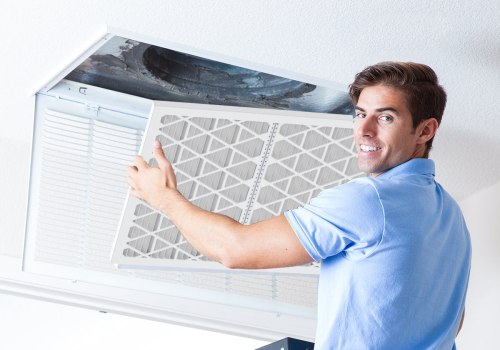
Booking takes two minutes. Our fridge pick up, removal, haul away, and disposal service handles all the heavy lifting, disconnection, and responsible disposal. By the end of the day, the space is clear and the fridge is gone with proper refrigerant recovery when required.
TL;DR Quick Answers
Fridge Pick Up, Removal, Haul Away, and Disposal
Getting rid of an old refrigerator is more involved than most people expect. Here's the short version:
What you need to know:
Refrigerators contain EPA-regulated refrigerants — they cannot go out with regular trash
Curbside pickup, retailer haul-away, and utility rebates all come with conditions that may not match your timeline
Professional removal is the fastest, most compliant path forward
Your fastest options ranked:
Same-day professional removal — Jiffy Junk handles disconnection, haul away, and eco-responsible disposal. Book at jiffyjunk.com or call 844-543-3966
Utility rebate pickup — Free pickup plus $25–$75 cash back for working units. Check availability at energystar.gov/rebate-finder
Retailer haul-away — Available with a new appliance purchase, typically $25–$50
Donation — Habitat for Humanity ReStores accept working units under 10 years old at habitat.org/restores
Municipal bulk pickup — Available in select cities. Check with your local Department of Public Works first
Bottom line:
Same-day removal is available in most areas
Booking takes less than two minutes
Jiffy Junk disconnects, removes, and disposes of your refrigerator responsibly — no heavy lifting, no compliance headaches, no waiting
Top Takeaways
Same-day removal is available and easy to book.
Scheduling takes less than two minutes at jiffyjunk.com
Our crews handle disconnection, removal, and eco-responsible disposal
You don't lift a finger
Refrigerator disposal is federally regulated.
Refrigerants are classified as hazardous under the Clean Air Act
Curbside programs, retailer haul-away, and utility rebates all come with conditions
Professional removal handles compliance for you
That old garage fridge is costing more than you think.
Refrigerators over 15 years old draw more than $95 per year in electricity
Removal doesn't just clear the space — it stops the monthly energy drain
Not all haul away services dispose of refrigerators responsibly.
Up to 25% of removed units are resold or handled by uncertified recyclers
Jiffy Junk uses only certified disposal and recycling partners
Working units go to donation — everything else is processed to EPA standards
The sooner you schedule, the sooner the problem is solved.
Every week it sits is another week of wasted space and wasted electricity
A two-minute booking call eliminates the entire headache
Why Same-Day Refrigerator Removal Is Easier Than You Think
Scheduling same-day appliance removal doesn't require multiple phone calls, long wait windows, or hauling the unit to the curb yourself. Jiffy Junk operates with flexible morning and afternoon arrival windows, and our dispatch team confirms your booking quickly so you're not left guessing. If a slot is open today, we fill it today.
What the Removal Process Actually Looks Like
Our crew arrives at your location, assesses the unit, and handles every step from there. We disconnect the fridge, navigate it out of the space — regardless of tight corners, staircases, or narrow hallways — and load it onto our truck. You don't move anything. You don't prepare anything. You just show us where it is.
Refrigerants, Regulations, and Responsible Disposal
Refrigerators contain refrigerants classified as hazardous under EPA regulations. Jiffy Junk follows proper refrigerant recovery protocols on every haul, keeping your removal compliant and environmentally responsible. Units in working condition are donated when possible. Everything else is processed through certified recycling facilities.
What to Do Before We Arrive
Empty the refrigerator of all food and remove any shelving or drawers that may shift during transport. As part of a smooth and efficient garage cleanout, if the unit is in a garage or basement, clear a path at least three feet wide to the nearest exit. That's it. Our team handles the rest on arrival.
How to Book Same-Day Refrigerator Haul Away With Jiffy Junk
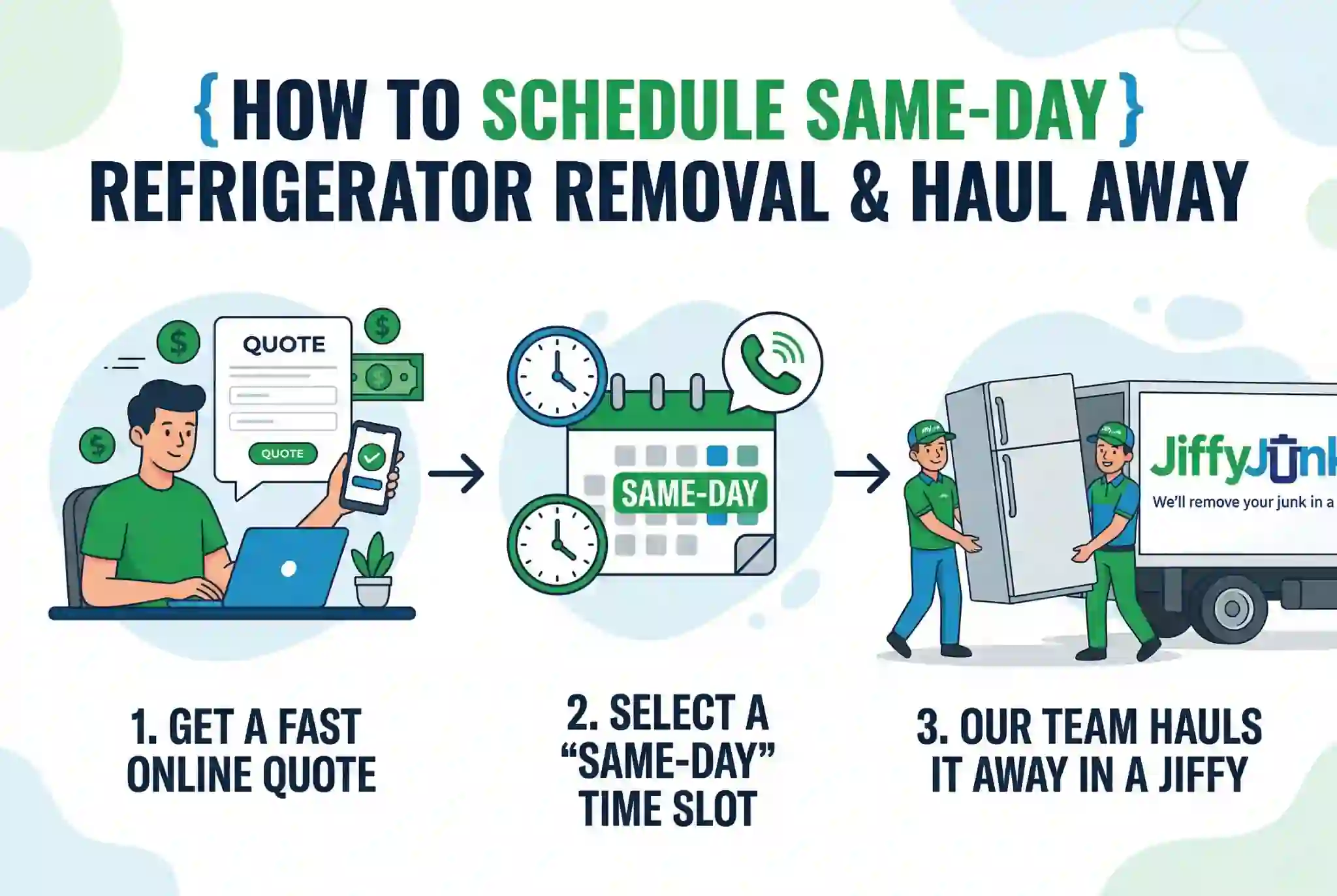
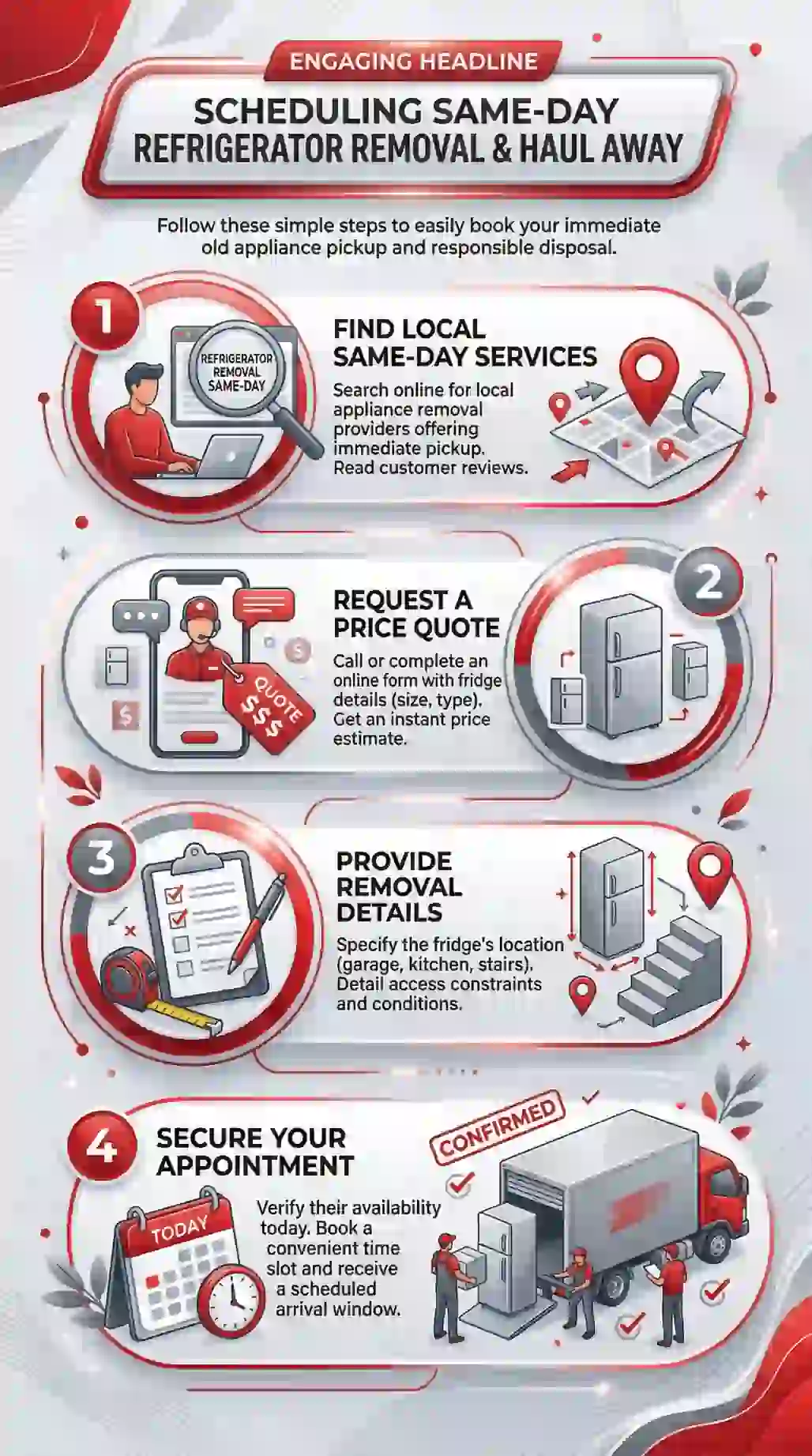
Visit jiffyjunk.com, enter your zip code, and select an available same-day window. You can also call or text directly to speak with a team member and confirm availability in your area. Booking takes under two minutes, and you'll receive a confirmation with your arrival window before we're on the way.
"Refrigerator removal looks straightforward until you're standing in a galley kitchen with a 36-inch fridge and a 32-inch doorframe — a situation that highlights the convenience homeowners often expect from curbside furniture pick up. We've navigated that exact situation hundreds of times — tight hallways, basement stairs, side-by-side units wedged into custom cabinetry. The disconnection and refrigerant recovery steps trip up a lot of DIYers too, because improper handling carries real EPA liability. That's why we treat every refrigerator haul as a technical job, not just a pickup. When our truck leaves your driveway, the job is done right — not just done."
Essential Resources
We know you want to handle your refrigerator removal the right way. That means having the right information before you make any decisions — whether you're exploring rebates, looking into donation options, or trying to understand what federal law actually requires. These seven resources point you in the right direction.
1. Understand What Federal Law Requires
Before scheduling any pickup, know the rules. The EPA's Section 608 guidelines spell out what's legally required for refrigerator disposal — including certified refrigerant recovery at every stage of the disposal chain. A quick read keeps you covered and eliminates surprises on removal day.
U.S. Environmental Protection Agency https://www.epa.gov/section608/appliance-disposal
2. Know the Compliance Standards Behind Every Haul
Refrigerant recovery isn't optional — it's federal law under the Clean Air Act. This EPA resource breaks down the specific safe disposal requirements for stationary refrigeration equipment, including documentation standards and certified recovery equipment requirements that any legitimate haul away service must follow.
U.S. Environmental Protection Agency https://www.epa.gov/section608/stationary-refrigeration-safe-disposal-requirements
3. Discover Rebates and Free Pickup Programs in Your Area
Here's something most people don't know: many utility companies will pay you to recycle your old refrigerator. This ENERGY STAR directory helps you find local programs offering cash rebates — often $25 to $75 or more — along with free appliance pickup. It's worth checking before you make any decisions.
U.S. Department of Energy / ENERGY STAR https://www.energystar.gov/rebate-finder
4. Find Out What Your Old Fridge Is Really Costing You
That older refrigerator sitting in your kitchen or garage may be using more electricity than you realize. Units over 15 years old cost more than $95 per year just to run. ENERGY STAR's appliance data shows you exactly where your energy dollars are going — and whether replacement makes financial sense before you even schedule a removal.
U.S. Department of Energy / ENERGY STAR https://www.energystar.gov/products/refrigerators
5. Give Your Working Fridge a Second Life Through Donation
If your refrigerator still runs reliably, donating it keeps a perfectly good appliance out of the waste stream and helps families in your community. Habitat for Humanity ReStores accept working refrigerators — typically under 10 years old — and many locations offer free pickup. It's a simple way to do some good before calling in a haul away crew.
Habitat for Humanity International https://www.habitat.org/restores/donate-goods
6. Confirm Your Recycler Follows Eco-Responsible Practices
Not all recyclers are created equal. The EPA's Responsible Appliance Disposal Program identifies utilities, retailers, and manufacturers committed to doing this right — recovering refrigerants, recycling materials, and properly handling hazardous components. When you choose a RAD partner, you know your appliance won't end up harming the environment.
U.S. Environmental Protection Agency https://www.epa.gov/rad
7. Search Every Available Incentive in Your State
DSIRE is the most comprehensive database of state, local, and utility-based incentive programs in the country. Search by location for appliance recycling rebates, energy-efficiency upgrade discounts, and other programs that may save you money before or after your removal is scheduled.
N.C. Clean Energy Technology Center / N.C. State University https://www.dsireusa.org/
Supporting Statistics
Numbers tell part of the story. What our crews see on the ground tells the rest.
11 to 13 Million Refrigerators Reach End-of-Life Every Year in the U.S.
The EPA estimates between 11 and 13 million refrigerated household appliances reach end-of-life annually in the United States. US EPA The handling gap — the space between federal requirement and actual practice — is where most disposal problems start.
What the EPA confirms:
Appliance dumping, refrigerant venting, and release of hazardous components still occur despite federal regulations US EPA
Appliances left curbside without a scheduled pickup may be landfilled or disposed of unsafely US EPA
What we see in the field:
Our dispatch team hears the same story weekly — a homeowner set the fridge at the curb, a random truck picked it up, and nobody knows where it went
That's not an edge case. It's a pattern.
A scheduled removal with a certified partner is the only way to verify the job was done right
Source: U.S. Environmental Protection Agency https://www.epa.gov/section608/appliance-disposal
Refrigerators Over 15 Years Old Cost More Than $95 Per Year Just to Run
What the data shows:
Refrigerators over 15 years old can cost more than $95 per year to operate ENERGY STAR
Old refrigerators use approximately 20% more energy than a new ENERGY STAR certified model ENERGY STAR
Replacing an old unit and properly recycling it could reduce your carbon footprint by about 4,000 pounds of CO2 ENERGY STAR
What we see in the field:
We've removed thousands of secondary garage and basement fridges kept running year-round for occasional use
The conversation starts the same way every time: "I know I should get rid of it, but..."
When customers hear the actual annual operating cost, the decision gets easy fast
The fridge isn't just taking up space. It's drawing power and money every day it stays plugged in
Source: U.S. Department of Energy / ENERGY STAR https://www.energystar.gov/products/refrigerators
Responsible Recycling Has Diverted 1.5 Billion Pounds of Materials From Landfills
What the EPA's RAD Program achieved from 2006 through 2025:
Over 9 million refrigerated appliances processed US EPA
1.5 billion pounds of metals, plastics, and durable materials recycled US EPA
Over 543,000 internal components containing hazardous substances safely managed US EPA
Greenhouse gas emissions avoided equivalent to powering 5 million homes annually US EPA
What we see in the field:
Up to 25% of disposed refrigerators are resold onto the secondary market, where continued use of older, less efficient models places additional demand on the energy grid EPA
Refrigerants get vented. Metals go to the wrong facility. Hazardous components disappear into the waste stream. We've seen what happens when disposal gets treated as a transaction instead of a responsibility.
How Jiffy Junk handles every removal:
Working units go to certified donation partners when possible
All remaining units are processed through certified recycling facilities
Hazardous components are managed in compliance with EPA guidelines
We hold our disposal partners to the same standards our customers hold us
Source: U.S. Environmental Protection Agency https://www.epa.gov/section608/appliance-disposal
These supporting statistics show how proper refrigerator removal and recycling not only ensures compliance and cost savings but also helps improve air quality by preventing harmful emissions and reducing environmental impact at scale.
Final Thought & Opinion
Most people don't think about refrigerator disposal until they're standing in front of one that needs to go. Then the questions start — and most of the answers come back as "no," "not without an appointment," or "only if you're buying new."
We've been on the other end of that frustration thousands of times. Here's our honest take.
Refrigerator Disposal Is More Regulated Than Most People Expect
What homeowners typically run into:
Curbside programs won't accept refrigerators without documented refrigerant recovery
Retailer haul-away only applies when purchasing a replacement
Utility rebate programs require working units with eligibility windows that don't always match your timeline
Improper refrigerant venting carries real EPA liability under the Clean Air Act
None of that is designed to be difficult. It's designed to protect the environment. But it does mean the "just get rid of it" approach almost always hits at least one wall.
The Second Fridge Problem Is Real — and Underestimated
What we see on every removal:
The garage or basement fridge is the unit people put off dealing with longest
It works well enough, it's out of the way, and there's no urgency
Meanwhile it's quietly drawing more than $95 a year in electricity
It's occupying floor space that could be used for something else
What customers tell us after every secondary fridge removal:
They didn't realize how much it was costing them monthly
The removal itself was faster and easier than expected
They wish they had called sooner
Same-Day Service Changes the Equation
The single biggest shift in how people approach refrigerator removal is knowing same-day pickup exists. When the window between "I need this gone" and "it's actually gone" collapses from weeks to hours:
The decision stops being something to schedule around
It becomes something to just handle
The space is cleared, the compliance is covered, and the problem is solved
That's what we've built Jiffy Junk around — not just moving heavy appliances through tight spaces, but making a frustrating problem disappear quickly, completely, and responsibly.
Book online at jiffyjunk.com or call 844-543-3966. Same-day availability. Upfront pricing. No heavy lifting required.
FAQ on How to Schedule Same-Day Refrigerator Removal and Haul Away
Q: Can I put my old refrigerator out with regular trash or leave it at the curb?
A: In most areas, no.
Why curbside disposal fails:
Refrigerators contain EPA-regulated refrigerants requiring certified recovery
Most municipal waste programs won't accept them without documentation
Random trucks that pick up curbside appliances rarely follow compliant disposal protocols
The right move:
Schedule a certified removal
Takes two minutes to book
Eliminates compliance risk entirely
Q: How fast can Jiffy Junk get there for same-day refrigerator removal?
A: In most service areas, same-day arrival is available.
How it works:
Enter your zip code at jiffyjunk.com or call 844-543-3966
We confirm a morning or afternoon arrival window
In many areas, we arrive within hours of booking
Q: What does Jiffy Junk's refrigerator removal include?
A: Everything. Here's exactly what happens:
We assess the unit and confirm the removal route
We disconnect the refrigerator and protect floors and walls
We navigate the unit out — tight hallways, staircases, narrow doorframes included
We load it onto our truck and handle all disposal logistics
We leave the space clean and ready to use
You don't move anything. You don't prepare anything. Just show us where it is.
Q: Do I need to empty or prep the refrigerator before pickup?
A: Minimal prep required:
Remove all food from the unit
Take out loose shelves or drawers that could shift during transport
Clear a path at least three feet wide to the nearest exit
Our crew handles everything else on arrival.
Q: What happens to my refrigerator after Jiffy Junk hauls it away?
A: Every unit is handled responsibly:
Working refrigerators go to certified donation partners when possible
All remaining units go to certified recycling facilities
Refrigerants are recovered per EPA Section 608 requirements
Hazardous components including mercury and contaminated oils are managed separately
Metals, plastics, and glass are recovered and recycled
We treat disposal as part of the job — not an afterthought.
Q: How much does same-day refrigerator removal cost?
A: Pricing depends on three factors:
Location of the unit within the home
Accessibility and removal route
Whether additional items are being hauled at the same time
What never changes:
Upfront quote provided before any work begins
No hidden fees
No surprises
Bundling a refrigerator with other items often provides better overall value. Call 844-543-3966 or book at jiffyjunk.com for a free quote.